
Priority Interactive Releases for Colombian Theme Parks & Zoos
Engineered with dual-core MCU controllers, high-torque micro-stepper motors, and aerospace silicone dermis calibrated to thrive in equatorial humidity and elevation shifts.
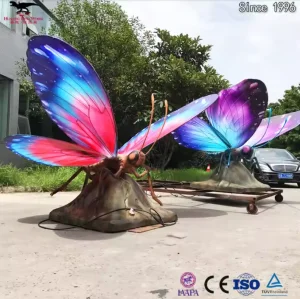
Colombia Biodiverse Series: Interactive Morpho Butterfly Exhibit with Multi-Axis Wing Mechanics
View Colombia Specs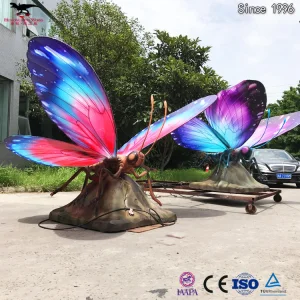
Hyper-Realistic Giant Praying Mantis - Dynamic Forelimb Articulation for Colombian Botanical Gardens
View Colombia Specs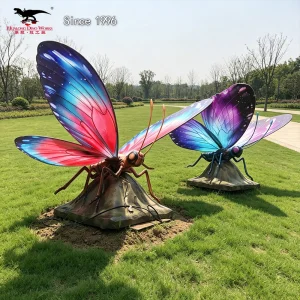
Scenic Park Series: Titan Longhorn Beetle Interactive Display Engineered for Andean Climates
View Colombia Specs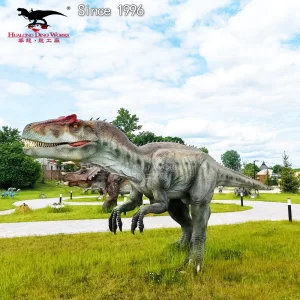
Heavy-Duty Predator Series: Custom Allosaurus Model with High-Resilience Outdoor Weatherproof Foam
View Colombia SpecsIndustrial Status: The Surge of Biomechanical Attractions in Colombia
Understanding Colombia's megadiverse status, municipal educational investments, and the shift from static animal exhibits to dynamic animatronic storytelling.
The Colombian Market: Biodiversity Meets Immersive Edutainment
Colombia holds the world’s richest concentration of butterfly, beetle, and arachnid species across its varied biomes—from the high-altitude Andean cloud forests of Cundinamarca and Antioquia to the dense tropical rain basins of the Amazon and the Pacific Chocó. However, until recently, national ecotourism, botanical facilities, and science institutions were restricted to preserved taxidermy glass cases or small insectariums that struggled to captivate digital-native generations.
As municipal development agendas in cities like Bogotá, Medellín, Cali, and Barranquilla accelerate public investment into "Parques Ecológicos" (Eco-Parks) and experiential science infrastructure, the commercial demand for hyper-realistic, macro-scale animatronic insects has broken records. Operators have realized that magnifying a 3 cm Dynastes hercules (Hercules Beetle) into a 4-meter biomechanical animatronic marvel generates unprecedented visitor dwell time, elevates ticket yields, and bridges vital conservation narratives.
Local Colombian engineering firms frequently encounter barriers when developing these displays locally: limited access to industrial CNC foam profiling, lack of high-durability platinum silicone skin compounds, and the absence of pre-engineered multi-axis drive linkages capable of operating continuously in high ambient humidity.
Environmental Challenges Across Colombian Microclimates
Deploying animatronic installations in Colombia requires specialized engineering that off-the-shelf mechanical props cannot survive. The territory features extreme climatic variations:
- Bogotá (Andean Plateau - 2,640m above sea level): High UV radiation exposure, significant thermal shock between daytime heat and nighttime near-freezing temperatures, causing micro-fracturing in inferior elastomeric skins.
- Medellín & Eje Cafetero: High annual precipitation and persistent humidity requiring non-corrosive galvanized steel substructures and sealed IP67 servo chambers.
- Cartagena & Santa Marta (Caribbean Coast): Intense saline maritime atmosphere causing accelerated galvanic rust on unprotected mechanical pivots and electronics failure.
Our Zigong-engineered systems solve these regional hurdles with specialized marine-grade primer coatings, dual-sealed silicone membranes, and internal condensation evacuation channels.
Why Zigong Manufacturing Dominates the Global Animatronic Supply Chain
Combining three decades of paleontological robotics heritage with advanced digital fabrication and direct ocean freight routes to Colombia's Buenaventura and Cartagena ports.
Zigong Industrial Ecosystem Advantage
Zigong is globally recognized as the animatronics capital, accounting for over 85% of worldwide realistic robotic fauna output. Decades of specialized component supply chains—ranging from silent high-torque planetary gear motors to custom-formulated ultraviolet-blocking silicone rubbers—allow us to deliver unmatched structural resilience at 40-60% lower capital outlay compared to Western fabricators.
Advanced Micro-Kinematic Motion Control
Unlike basic mechanical props that rely on rigid pneumatic cylinders resulting in jarring motion, our Chinese manufacturing plant integrates digital servo drives, programmable logic controllers (PLC), and multi-axis linkage joints. This guarantees fluid, biologically accurate behavioral kinetics—such as rhythmic mandibular chewing, subtle compound eye glinting, and organic abdomen breathing cycles.
Streamlined Logistics to Latin America
We maintain end-to-end direct sea logistics channels from Shanghai and Shenzhen ports straight to Colombia's primary terminals: Puerto de Buenaventura (Pacific access for Cali, Popayán, and Bogotá) and Puerto de Cartagena / Barranquilla (Atlantic access). Models are dismantled into standardized, anti-shock modular steel crates engineered for rapid customs clearance and straightforward on-site reassembly.
Localized Commercial Applications Across Colombian Sectors
Strategic deployment cases tailored to the operational realities of Colombian commercial developers, municipal planners, and educational entities.
Botanical Gardens & Insectariums (Jardines Botánicos)
Installations across institutions like the Jardín Botánico de Bogotá José Celestino Mutis or Jardín Botánico de Medellín Joaquín Antonio Uribe. Macro-scale animatronic pollinator trails (bees, butterflies, beetles) allow scientific staff to conduct interactive environmental pedagogy, dramatizing microscopic ecosystem relationships on a monumental 100:1 scale.
Centro Comercial (Shopping Mall) Atrium Activations
Colombian retail epicenters—such as Centro Mayor, Unicentro, and Santafé in Bogotá, or Viva Envigado in Antioquia—rely heavily on seasonal experiential events to drive retail footfall during vacation seasons (Temporada de Vacaciones) and Christmas. Modular, plug-and-play animatronic insect exhibitions create high-engagement family photo hotspots that demonstrably lift foot traffic by over 30%.
Eco-Resorts & Coffee Axis Ecotourism (Eje Cafetero)
Eco-hotels and thematic coffee haciendas in Quindío, Risaralda, and Caldas leverage outdoor animatronic installations along nature walks to create night-and-day eco-safaris. Combining synchronized acoustic soundscapes with hidden infrared sensors, visitors trigger realistic insect interactions under the rainforest canopy.
Turnkey Macro Solutions: From Concept Renderings to On-Site Colombian Commissioning
Comprehensive project execution lifecycle eliminating contractor fragmentation and project risk for institutional buyers.
Biomechanical Customization & Anatomical Validation
Our scientific engineering pipeline integrates input from certified entomologists to ensure that every anatomical detail—from the venation in transparent membrane wings to the microscopic setae on jointed legs—is faithfully recreated. We offer custom 3D parametric modeling, ensuring your requested species (whether native Neotropical or prehistoric Meganeura) aligns accurately with biological proportions.
Following frame welding and motor sizing, models undergo extensive 48-hour continuous cycling tests in our factory to detect mechanical stress concentrations before skin application.
Field Installation & After-Sales Operations in Colombia
We bridge the physical distance between China and Colombia through comprehensive technical support:
- Factory Field Dispatch: Certified bilingual installation engineers available for on-site civil anchoring, wiring, and commissioning across Colombia.
- Spares & Modular Redundancy: Every container includes backup servos, circuit controllers, acoustic modules, and emergency skin repair silicone kits.
- Direct Cloud Diagnostics: Our modern controller platforms feature remote troubleshooting capabilities, allowing our engineering team in Zigong to inspect control code and drive parameters via Wi-Fi/4G telemetry.
Complete Project Supply Inventory for Colombian Attractions
Explore our export-certified heavy animatronics portfolio, fully customizable with dual-voltage 110V/220V power systems for direct plug-in operation across Colombia.
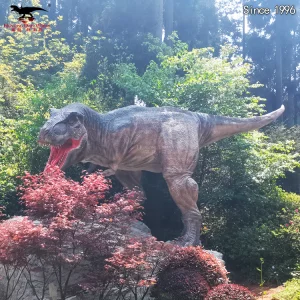
Apex Jurassic Series: High-Torque T-Rex Robotic Attraction for Colombian Theme Parks & Stadiums
View Colombia Specs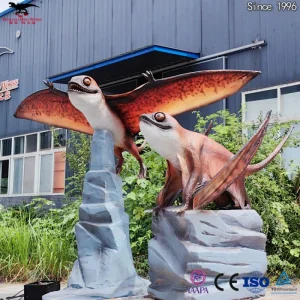
Paleontological Series: Hyper-Realistic Sinomacrops Perched on Rockery for Colombian Science Halls
View Colombia Specs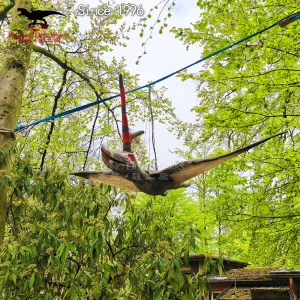
Aerial Dinosaur Series: Large Pterosaur Restoration Exhibit Engineered for Touring Expositions in Colombia
View Colombia Specs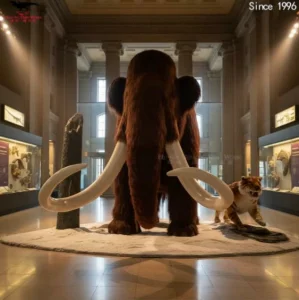
Pleistocene Ice Age Series: Animatronic Mammoth Display for Colombian Natural History Parks
View Colombia Specs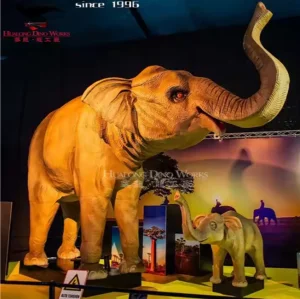
Megafauna Series: Life-Size Animatronic African Elephant with Flapping Ears & Roar (CE Certified)
View Colombia Specs
Entomology Series: High-Frequency Flapping Animatronic Butterfly with Antenna Sensors for Science Museums
View Colombia Specs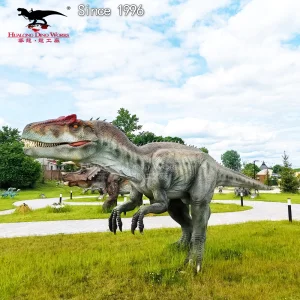
All-Weather Predator: Customizable Indoor/Outdoor Allosaurus Animatronic for Colombian Ecotourism Resorts
View Colombia Specs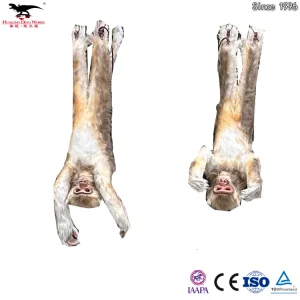
Canopy Primate Series: Waterproof Animatronic Monkey with Eye-Blinking Kinetics for Colombian Jungle Centers
View Colombia SpecsTechnical Procurement Criteria for Colombian B2B Project Directors
A checklist for theme park project managers, zoo procurement committees, and festival directors evaluating animatronic insect fabricators.
Grid Compatibility & Power Regulation
Colombia operates primarily on a 110V/120V 60Hz electrical system, contrasting with European and domestic Chinese 220V 50Hz networks. Our factory builds power conversion architectures featuring dual UL/CE-certified switching power transformers and surge protectors that insulate drive logic against voltage sags prevalent in remote recreational zones.
Biological Waterproofing & Mold Resistance
In high-moisture zones like the Chocó biogeographic region or the Amazon, moisture and biological mold can degrade foam within months. We implement closed-cell polyether formulations paired with three distinct vulcanized coats of platinum-cure medical-grade silicone, preventing fungal intrusion and waterlogging.
Crowd-Safety & Interactive Sensor Interfaces
High visitor densities in Colombian commercial centers necessitate strict pinch-point engineering. All articulators feature mechanical slip clutches that disengage instantly if an obstruction occurs. Movements can be triggered via microwave radar, infrared presence sensors, floor pressure plates, or operator consoles.
Frequently Asked Questions (FAQ) for Colombian Projects
Key information regarding international trade terms, logistics, customs clearance, and long-term maintenance.
What Incoterms do you offer for shipments to Colombia, and how is DIAN customs handled?
We routinely support EXW, FOB (major Chinese ports), CIF (Puerto de Buenaventura or Cartagena), and DDP (Delivered Duty Paid) terms. For DDP orders, our logistics partners manage customs clearance with the Dirección de Impuestos y Aduanas Nacionales (DIAN), import tariffs, and inland transport directly to your project grounds in Bogotá, Medellín, or elsewhere.
Can you manufacture native Colombian insect species not listed in standard catalogs?
Yes. Approximately 60% of our production consists of fully custom species. Provide biological references or anatomical sketches of native Colombian entomofauna—such as the Blue Morpho butterfly (Morpho peleides), Colombian Giant Tarantula (Megaphobema robustum), or Jewel Beetle (Buprestidae)—and our 3D design team will build CAD motion models for validation prior to fabrication.
How do animatronic models perform in high-altitude Colombian locations like Bogotá?
Bogotá sits at 2,640 meters elevation with intense ultraviolet radiation and rapid thermal fluctuations. We implement specialized UV-resistant elastomer coatings and thermal expansion joints on our steel frames, ensuring the silicone dermis will not fade, harden, or crack across years of outdoor exposure.
What is the typical manufacturing and ocean shipping lead time to Colombia?
Standard fabrication times range from 25 to 35 business days depending on order scope and kinetic complexity. Ocean transit from Chinese terminals (Shenzhen/Ningbo/Shanghai) across the Pacific to Puerto de Buenaventura takes approximately 28 to 35 days, with an additional 4 to 7 days for inland transit over the Cordillera mountain ranges.
Ready to Develop Colombia's Premier Animatronic Nature Attraction?
Consult directly with our bionic engineering team in Zigong. We provide full project feasibility studies, custom species blueprints, and fixed ocean freight quotations tailored to Colombian ports.