
Certified Industrial & Theme Park Animatronics Batch Series I
Explore our export-certified animatronic creatures engineered with rust-inhibited alloy frames, memory-sponge density contours, and weather-resistant polymer dermis.
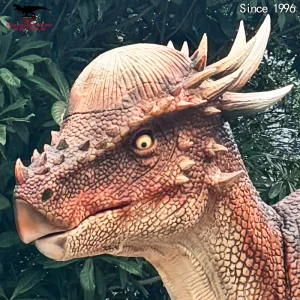
Buy Custom Realistic Life Size Animatronic Dinosaur Models for Dinosaur Model Manufacturer with CE Certificate Manufacturer, Factory
Configure & Inquire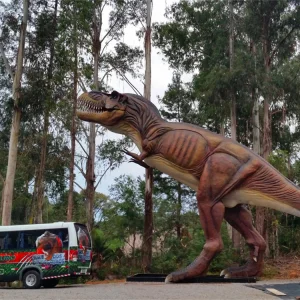
Buy Lifelike Prehistoric Creature Reproductions Realistic Animatronic Dinosaur for Jurassic Replicas Manufacturers, Factory
Configure & Inquire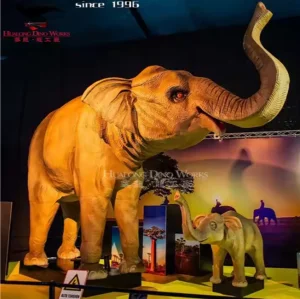
High-Quality Life-Size Animatronic African Elephant - Realistic Silicone Skin with Flapping Ears & Roaring Sound (CE Certified)
Configure & Inquire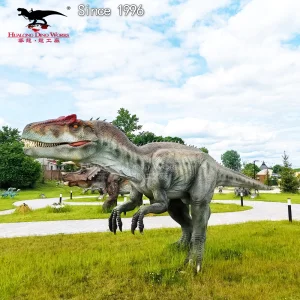
High-Quality Customizable Animatronic Allosaurus Dinosaur for Indoor/Outdoor Use Suppliers, Factories
Configure & Inquire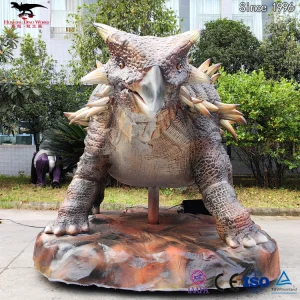
Buy Custom Landscape Sculpture Fabrication Sichuan Ankylosaurus Dinosaur Models CE Certified Realistic
Configure & Inquire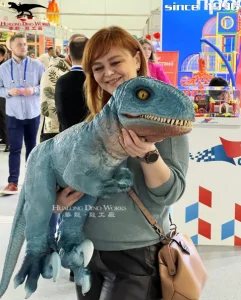
High-Quality Wholesale Dinosaur Hand Puppets - Realistic Animatronic Design with Movable Jaw & Roaring Sound
Configure & Inquire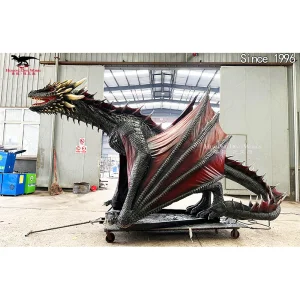
High-Quality Life Size Custom Electric Simulation Dinosaur Flying Dragon Models Diorama with CE Certificate
Configure & Inquire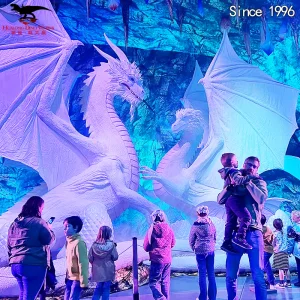
High-Quality Custom White Dragon Model CE Certified Mythical Ice Dragon Fantasy Sculpture Lightweight Foam
Configure & InquireGlobal State of Dinosaur Model Material Selection & Supply Chains
An executive analysis of current industrial dynamics, material degradation vectors, and international procurement standards in experiential engineering.
The global animatronics and prehistoric exhibition equipment market has evolved from a niche museum preservation discipline into a multi-billion-dollar global industry powering premier theme parks, municipal natural history centers, immersive edu-tainment venues, and experiential commercial properties. In modern commercial operations, an animatronic dinosaur is no longer judged solely by its static aesthetic realism; it is an active mechanical robot subject to extreme cyclic stress, dynamic load fatigue, relentless ultraviolet (UV) solar radiation, thermal expansion shifts, and aggressive ambient moisture.
Across North America, Western Europe, and East Asia, procurement executives are shifting away from short-lived fiberglass props toward heavy-duty, robotic biomechanical animatronics. However, significant variations exist in supplier manufacturing baselines. In hubs such as Zigong, China—which produces over 85% of the world's animatronic life-size dinosaurs—the true differentiator between standard suppliers and tier-one engineering manufacturers lies in raw material composition and structural metallurgy.
Over an operational span of 5 years, low-grade animatronics fabricated from commercial mild iron, low-density recycled upholstery foam, and single-cure industrial caulking silicone exhibit a failure rate exceeding 68% within the first 18 months. Common failure modes include structural weld fracture, epidermal cracking, peeling skin matrices, and burned motor windings. Conversely, high-grade animatronics engineered with GB/T national standard structural steel, high-resilience polyether foam, and cross-linked room-temperature-vulcanizing (RTV-2) platinum-cure silicone polymers retain mechanical integrity, elasticity, and color vibrancy for well over 8 to 10 years with predictable preventative maintenance.
Material Science Roadmap: Structural, Elastic & Mechatronic Layers
A rigorous breakdown of the four engineering strata comprising life-size, heavy-duty animatronic prehistoric creatures.
1. Core Skeletal Frame & Kinetic Linkages
The internal skeleton dictates overall rigidity, dynamic load resistance, and kinematic fidelity. Premium manufacturers discard scrap pipes in favor of cold-drawn seamless structural steel and precision alloy shafts.
- Q235B / Q345B Carbon Structural Steel: Sized and calculated to resist torsional flexing across massive moment arms (e.g., sauropod necks and theropod tails up to 25 meters).
- Surface Tri-Pass Passivation: Shot-blasting to Sa 2.5 cleanliness, followed by zinc-rich epoxy primer and polyurethane industrial finish to prevent interior corrosion.
- Self-Lubricating Bushings: Sintered bronze bearings and high-tensile rod ends prevent joint seizure after millions of repetitive articulation cycles.
2. Muscular Sponge Core & Elastic Cushioning
Musculature gives volume, softens internal mechanical impacts, and supports realistic skin wrinkling without premature collapse, creasing, or disintegration.
- High-Density Polyether Sponge (35–45 kg/m³): Open-cell flexible polyurethane foam provides superior compression set resistance and rebound resilience compared to cheap polyester foams.
- Flame-Retardant Chemical Infusion: Compliance with DIN 4102 B1 and ASTM E84 flame-spread standards, mandatory for indoor shopping malls and municipal educational pavilions.
- Multi-Axis Hand Sculpting: Hand-carved muscle groups layered with high-strength elastic bonding agents prevent delamination under continuous bending.
3. Epidermal Skin Matrix & Tensile Reinforcement
The skin layer is the barrier against water, ozone, solar UV radiation, and public physical contact. Achieving hyper-realism while preserving mechanical durability requires composite matrixing.
- Four-Directional Spandex & Fiber Reinforcement: High-tensile elastic fiber mesh sandwiched between silicone coats prevents tearing along heavy shear joints (jaw, neck, flank).
- Platinum-Cure RTV-2 Liquid Silicone Rubber: Superior tensile strength (>4.5 MPa), high elongation (>500%), zero shrinkage, and exceptional hydrolytic resistance.
- UV-Resistant Pigment Dispersion: Inorganic mineral pigments and functional acrylic silicones sealed with an anti-graffiti matte polymer coat that halts fading under extreme sunlight.
4. Actuation, Transmission & Smart Control Topology
Kinematic drive components transform static materials into lifelike breathing, roaring, and lunging organisms. Material resilience in motor windings and gear teeth is paramount.
- Industrial Grade Planetary & Worm Reducers: Hardened alloy steel gear sets capable of delivering up to 1,200 N·m of torque without tooth shear during abrupt decelerations.
- Brushless DC (BLDC) & Servo Technology: Ultra-quiet motors offering 50,000-hour continuous MTTF ratings, integrated thermal cutoff sensors, and zero carbon-dust contamination.
- Optical & Solid-State Limit Sensors: Sealed IP67 proximity switches that prevent over-travel and structural binding during high-frequency show playback.
Material Grade Differentiation: Tier-1 Factory vs. Low-Cost Suppliers
Quantitative property matrix guiding B2B procurement managers, attraction architects, and project estimators.
| Subsystem Component | Standard Low-Cost Fabricator | Tier-1 Industrial Supplier (Hualong Standard) | Operational Impact & ROI Benefit |
|---|---|---|---|
| Structural Chassis | Recycled iron pipe, spot welded, thin-coat single alkyd primer | GB/T Q235B / Q345B Steel Continuous seam flux-core welding, Sa 2.5 sandblasted, 3-coat marine epoxy | Prevents catastrophic fatigue fracture; prevents interior rusting that collapses heavy models during wind loads. |
| Flexible Cushion Core | 15–20 kg/m³ recycled furniture sponge; vulnerable to moisture and mold | 35–45 kg/m³ Pure Polyether Sponge Hydrophobic, anti-fungal, fire-retardant (DIN 4102 B1) | Zero volume collapse or crumbling; maintains lifelike muscular profile for 8+ years under daily mechanical flexing. |
| Tensile Skin Matrix | Single layer cheesecloth, acetic-cure construction caulk silicone | 4-Way High-Stretch Elastic Webbing 3–5 coats of RTV-2 platinum-cure silicone rubber elastomer | Eliminates skin splits along high-travel joints; allows elongation >500% with immediate rebound and no plastic deformation. |
| Exterior Coating & Art | Basic nitrocellulose or oil-based paints; rapid UV yellowing and peeling | High-Adhesion Silicone Solvent Ink Cross-linked organic pigments with nano-silica anti-UV clear finish | Resists intense solar radiation up to UV index 12; zero cracking, fading, or peeling after 5+ years of direct outdoor exposure. |
| Drive Actuators | Brushed automotive wiper motors, plastic gearboxes, high heat rise | Pure Copper Brushless DC / Servo Precision cycloidal & hardened helical gearboxes, IP65 sealed | Operates at <45 dB; zero maintenance downtime; enables fluid, micro-expressive organic motions without jerking. |
| Environmental Sealing | Tape-wrapped splices, open relay boxes, unsealed sound speakers | Aviation-Grade Connectors IP66 sealed GRP control enclosures, potting-compound water-shielding | Immune to torrential tropical rainfall, marine salt spray, desert dust storms, and sub-zero freeze-thaw cycles. |
Engineering for Global Climatic Extremes & Facility Typologies
How specialized material formulations satisfy strict local environmental criteria across international project destinations.
Middle East & Desert Zones: Hyper-Thermal & UV Protection
Deployments in regions such as the UAE, Saudi Arabia, and Arizona experience ambient temperatures exceeding 50°C and relentless solar radiation.
- Thermal-Stable Polyorganosiloxane: Silicone formulations blended with heat-dissipating microscopic fillers maintain elastomeric memory up to 120°C without surface tacky liquefaction.
- Forced-Air Electronic Cooling: Fully enclosed control consoles feature dual-channel heat exchangers with micro-particle filtration to block fine sand and silica dust.
- UV Blockers & Reflective Undercoats: Specialized titanium dioxide and hindered amine light stabilizers (HALS) neutralize photo-oxidative polymer degradation.
Coastal & Marine Resorts: Anti-Corrosion Saline Barriers
Island theme parks, seaside water parks, and coastal tourist trails in Florida, Southeast Asia, and the Caribbean face relentless sodium chloride mist.
- AISI 304 / 316 Stainless Joint Hardware: All pivot pins, bolts, lock nuts, and exposed fasteners are upgraded to austenitic stainless steel.
- Hermetic Seal Potting: Motor housings and junction boxes are filled with dielectric silicone elastomer gel, completely halting chloride penetration.
- Anti-Algae & Anti-Fungal Skin Additives: Biocide-infused skin surfaces prevent marine mold, black mildew, and algae colonization on models situated along lakes and lagoons.
Nordic & Sub-Zero Climates: Freeze-Thaw Structural Elasticity
Installations across Northern Europe, Canada, and Northern China undergo sub-zero freezes down to -35°C followed by rapid spring thawing.
- Low-Glass-Transition (Tg) Polymers: Specialized silicone resins with a Tg of -60°C maintain pliable elasticity, preventing brittle shatter during freeze conditions.
- Low-Temperature Synthetic Lubricants: Heavy gearboxes are packed with synthetic polyalphaolefin (PAO) grease that resists hardening and excessive cold-start motor torque draw.
- Internal Heating Cable Integration: Strategic self-regulating PTC heating cables installed inside chest and neck cavities prevent frost accumulation on internal mechanisms.
Emerging Technologies & Future Roadmap in Animatronic Engineering
The convergence of carbon-composite structures, artificial intelligence control loops, and circular polymer recycling.
As theme park guests demand higher behavioral authenticity and museum curators insist on strict anatomical precision, animatronic fabrication is adopting materials directly from aerospace and automotive fields. Over the next five years, four fundamental shifts will define competitive procurement in this industry:
1. Carbon Fiber & Thermoplastic Composite Skeleton Hybridization: Traditional heavy steel skeletons, while exceptionally strong, impose massive inertia penalties on fast-moving predatory models such as the Velociraptor and Carnotaurus. Next-generation fabrications utilize carbon-fiber-reinforced polymer (CFRP) tail spars and lightweight aluminum-magnesium alloy skulls. This reduction of reciprocating mass reduces motor torque requirements by 40%, slashes electrical power draw, and enables lightning-fast dynamic attacks with zero mechanical resonance shaking.
2. Bio-Based & Circular Elastic Foams: Environmental, Social, and Governance (ESG) mandates from international amusement giants are forcing manufacturers to re-engineer foam matrices. Leading Zigong suppliers are piloting soy-polyol-derived polyether foams and recyclable thermoplastic elastomer (TPE) skin layers that eliminate toxic volatile organic compounds (VOCs) during factory production and permit sustainable end-of-life recycling.
3. Distributed Mechatronics with IoT Strain-Gauge Telemetry: High-end animatronics are integrating embedded load-cell sensors and digital angle encoders along primary articulation axes. By transmitting live vibration, current draw, and temperature metrics via industrial MQTT protocols to park operations control centers, attractions teams can execute predictive maintenance—lubricating a bearing or replacing a bushed joint weeks before an unexpected operational breakdown during peak ticket-revenue hours.
4. 3D-Scanned Paleo-Data Direct Printing: The days of crude, inaccurate freelance clay sculpting are ending. Tier-1 manufacturers work directly with paleontological research institutions, importing CT-scanned fossil bone geometries into CAD systems to output 3D-printed skull cores and scale textures that reflect current scientific discoveries regarding dinosaur integument, dermal scutes, and plumage structure.
Custom Sculptures & Interactive Prehistoric Replicas Batch Series II
Inspect our second suite of factory-direct robotic models, interactive mascots, giant marine megafauna, and exhibition centerpieces.
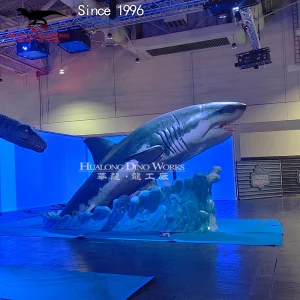
Buy Megalodon Sports Event Crossover Model Giant Shark Football Culture Theme Park Interactive Sculpture Outdoor Weatherproof
Configure & Inquire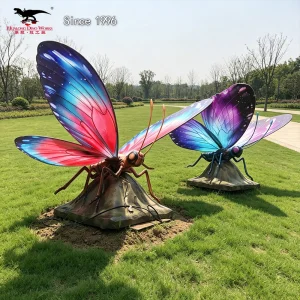
Buy Lifelike Animatronic Insect Model Hualong Technology for Park Scenic Spot Decorative Display Manufacturer
Configure & Inquire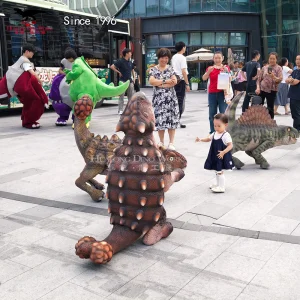
High-Quality Intelligent Walking Dinosaur Baby Four-Legged Dino Robot Dog Walking Animatronic Mascot
Configure & Inquire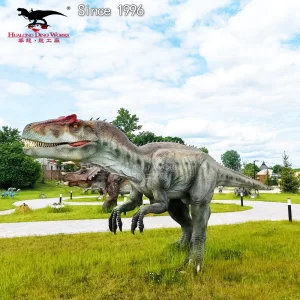
Buy Custom Allosaurus Model Animatronic Dinosaur Weatherproof Foam Jurassic Predator for Theme Parks & Museums
Configure & Inquire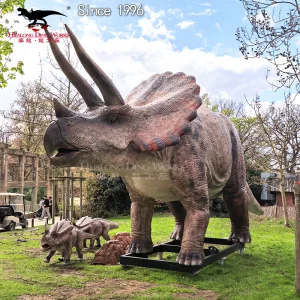
Buy Animatronic Triceratops Model Hualong Technology for Theme Park Dinosaur Exhibition Supplier, Suppliers
Configure & Inquire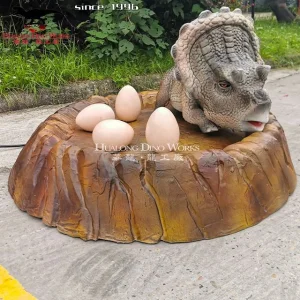
Buy Animatronic Triceratops Baby Sculpture with Hatching Egg - Life Size Interactive Dinosaur Exhibit
Configure & Inquire
High-Quality Robotic Realistic Carcharodontosaurus Slide On The Rail Manufacturer, Factories
Configure & Inquire
High-Quality Quadruped Intelligent Walking Dinosaur Hualong Technology for Trade Exhibition Entertainment Center
Configure & InquireEnterprise Procurement Audit: 6-Stage Supplier Verification Framework
A standardized inspection checklist to prevent substandard material deliveries on international B2B contracts.
Stage 1: Mill Test Certificates (MTC) & Steel Traceability
Require your supplier to submit official Chinese National Standard (GB/T) or ASTM/EN mill certificates confirming carbon content, yield strength (>235 MPa), and wall thickness for all load-bearing tubular frames. Reject hollow tubes with wall gauges under 2.5 mm for models exceeding 6 meters in overall length.
Stage 2: Silicone Polymer Durometer & Tear Testing
Perform standardized Shore A hardness measurements on epidermal samples. Ideal skin hardness for animatronic dinosaurs ranges between Shore 15A and 25A. Request ASTM D624 tear propagation data; untreated skins tear immediately upon puncture, while fabric-reinforced platinum matrices require >25 kN/m of shear force to rip.
Stage 3: 48-Hour Continuous Factory Burn-In Protocol
Prior to crating and export packaging, every model must undergo a non-stop 48-hour continuous cycling test. This trial monitors motor winding heat dissipation under maximum mechanical stroke, verifies sensor reliability, checks for joint binding, and validates that electrical control cabinets maintain safe operating temperatures.
Frequently Asked Questions: Dinosaur Model Material Selection
Direct technical answers from senior materials engineers and factory export directors.