
Featured Animatronic Dragons & Specialized Replicas for Tokyo
Direct factory engineering with high-torque core drives, CE-certified electronic architecture, and weather-resistant bionic silicone skin.
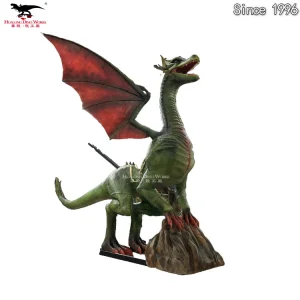
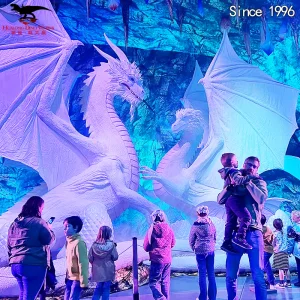
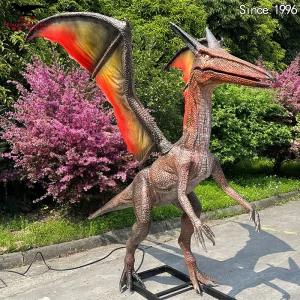
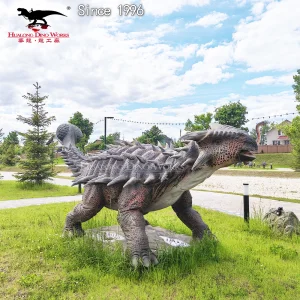
The Animatronic Dragon Industry: Tokyo & Global Overview
Analyzing technical benchmarks, experiential economy demands, and urban compliance for mythical creature integration.
Global Animatronics Landscape
Globally, the thematic entertainment sector is shifting rapidly from passive static displays to ultra-dynamic kinetic models. Driven by major gaming franchises, blockbuster fantasy IP, and open-world experiences, location-based entertainment (LBE) venues demand creature installations that boast biomimetic accuracy, programmable micro-movements, and long mean-time-between-failures (MTBF). Traditional pneumatic control systems have largely transitioned to advanced digital servo-drive topologies, allowing fine-grain modulation of roaring sounds, pupil dilations, chest breathing, and hydraulic wing-spread dynamics without sudden hydraulic pressure drops.
The Tokyo Specific Commercial Ecosystem
The Greater Tokyo Metropolitan Area presents one of the world's most exacting deployment environments for large-scale animatronic suppliers. Driven by top-tier entertainment hubs in Odaiba, Shinjuku, Ikebukuro, and Tokyo Bay, venue managers are compelled to maximize throughput in high-density footprints. Moreover, Japanese safety and structural criteria mandate strict seismic certifications (Kenken/JIS alignment), low acoustic noise signatures for mixed indoor-outdoor settings, and flawless cosmetic detailing that withstands close scrutiny from anime and fantasy enthusiasts accustomed to world-class manufacturing precision.
Deployment Scenarios Across Greater Tokyo
Tailoring robotic dragon frameworks to dense footfall, coastal humidity, and seismic safety requirements.
Urban Rooftop & Atrium Ateliers
Integrating large-scale western winged lords or Eastern serpentine dragons into luxury shopping atriums in Roppongi or Ginza requires reduced structural deadload, quiet motor operation (<52dB), and non-toxic, flame-retardant silicone composite skins that meet the Tokyo Fire Department's strict indoor installation standards.
Tokyo Bay & Theme Park Waterfronts
Outdoor installations across waterfront complexes face salt-spray aerosol and extreme summer typhoons. Our marine-grade silicone formulation prevents UV-induced yellowing and cracking, while our zinc-galvanized internally lubricated internal steel skeleton preserves joint fluidity through prolonged damp seasons.
Pop-up Gaming & Manga Exhibits
Expos at Makuhari Messe and Tokyo Big Sight require modular assembly. Our quick-disconnect steel frames, flight-case control hubs, and pre-calibrated multi-voltage power converters allow installation teams to achieve full dynamic operation in under six hours, minimizing site downtime and operational drag.
Industrial-Grade Bionic Dragon Engineering Standards
Precision manufacturing parameters ensuring performance stability, aesthetic integrity, and compliance across international projects.
| Structural Framework | Hot-rolled national standard Q235 structural steel skeleton, dual-surface electro-galvanized and coated with high-adhesion anti-corrosion primer. Engineered to withstand continuous cyclic loads. |
|---|---|
| Drive Subsystems | Digitally controlled industrial brushless servo-motors and high-reduction cycloidal pinwheel gearboxes; eliminates backlash, lowers operating temperatures, and delivers silent, fluid multi-axis locomotion. |
| Biomimetic Skin Surface | High-density polymer flex-foam (35-40 kg/m³) with multi-layered hand-stitched elastic reinforcement mesh, finished with platinum-cure medical-grade silicone rubber skin with anti-UV shielding. |
| Kinetic Degrees of Freedom (DoF) | Independent 8-axis to 18-axis articulation: Dynamic head pan/tilt, multi-stage neck sinuosity, jaw articulation synchronized to 96kHz lossless audio, blinking eyelids, wing span modulation, and tail swaying. |
| FX Integration Modules | High-density ultrasonic cold-water mist nozzles for smoke effects, flame-simulating narrow-angle LED mouth projectors, digital eye screens for emotional variance, and atmospheric subwoofers. |
| Control Topology & Protocols | Programmable Logic Controllers (PLC) supporting DMX512 show control, Ethernet/IP, dual infrared human-presence radar sensors, and industrial long-range wireless remote overrides. |
| Electrical Standards & Safety | AC 100V-110V 50/60Hz adaptive input for seamless integration into Japanese national power grids without external step-down converters. Full CE, ISO9001:2015, and SGS third-party compliance. |
Engineering Bespoke Animatronic Dragons for Tokyo Installations
Discuss your operational blueprints, space limitations, and motion profiles with our senior bionic mechanical engineers. Custom design services, technical CAD layouts, and complete DDU/DDP quotes provided within 24 hours.
Send Inquiry NowNext-Generation Animatronics: Technological Trajectory
Transitioning from pre-programmed loops to responsive AI-driven creature interactions in urban experiential venues.
Computer Vision & Dynamic Tracking
Integrating optical depth cameras and onboard edge-AI computing to empower animatronic dragons to track individual visitors in crowds. Dragons can orient their gaze, snap their jaws, or react dynamically to audience density, transforming static observation into captivating, responsive theater.
Predictive Maintenance Telemetry
IoT sensor suites continuously monitor motor current, internal core temperature, gear mesh resistance, and silicone stress concentrations. Cloud telemetry sends real-time diagnostic reports to maintenance engineers, preventing unexpected downtime in high-stakes Tokyo theme park operations.
High-Modulus Bio-Mimetic Composites
Utilizing carbon-fiber internal joint brackets and nano-silicone skin alloys yields a 30% reduction in moving mass. This upgrade improves rotational response times, increases wind resistance ratings, and allows larger wing spans without adding heavy external support pillars.
Precision Commercial Animatronic Systems Serving Tokyo
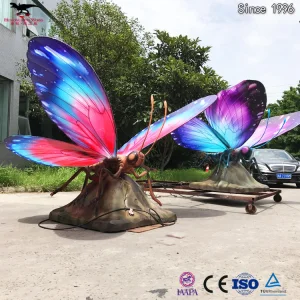
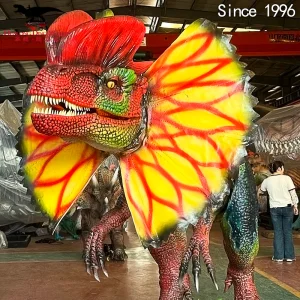
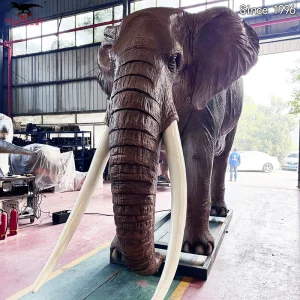
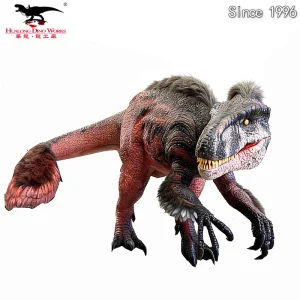
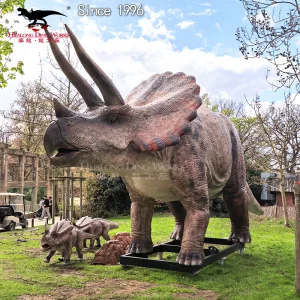
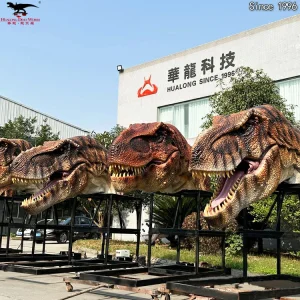
Explore our comprehensive lineup of life-size bionic creatures, kinetic insects, and museum-grade dinosaur models available for immediate Tokyo project integration.

Frequently Asked Engineering & Logistics Questions
Essential guidance for commercial directors, architects, and technical procurement teams sourcing animatronics for Tokyo venues.
How do our animatronic dragons comply with Japanese electrical and structural requirements?
All units built for the Japanese market are engineered to run natively on 100V AC (50Hz for East Japan / Tokyo and 60Hz for West Japan) without messy third-party transformers. Control systems use CE, PSE, and UL-compliant switchgear, housed in IP65 dust- and moisture-sealed compartments. Steel base structures include verified tie-down anchor points and load-distribution plates, allowing quick integration with local structural engineering criteria for seismic stability.
What is the typical shipping timeline and delivery protocol from factory to Tokyo?
Standard custom fabrication ranges from 25 to 45 days, depending on scale and degrees of freedom. Maritime freight to the Port of Tokyo or Yokohama takes just 3 to 6 days. We offer complete DDU and DDP trade terms, including customs clearance, quarantine handling, and site-specific crane unloading in central Tokyo, backed by step-by-step engineering plans and full assembly documentation.
Can our models withstand Tokyo's seasonal climate variations?
Yes. Greater Tokyo experiences hot, humid summers with typhoons, alongside cold, dry winter winds. Our bionic skins use platinum-cure silicone reinforced with a double-layered elastic mesh, rated for continuous exposure from -20°C to +50°C. Drive shafts and bearings are packed with synthetic low-temperature lithium grease, keeping mechanical movements smooth and quiet even during winter drops.
How are noise levels managed for quiet indoor venues?
For installations in tight shopping complexes, luxury atriums, or corporate showrooms, standard pneumatic actuators are replaced with high-precision silent brushless servo motors and planetary reduction gearheads. This approach keeps operational mechanical noise below 50dB, allowing visitors to appreciate synchronized audio effects without the hum of high-pressure air compressors.
What maintenance is required, and how are spare parts supported in Japan?
Routine maintenance is simple: an annual check of joint grease points, inspecting cable tracks, and wiping down the outer skin with silicone oil. Every shipment includes a two-year operational spare parts kit—including spare servo drivers, relays, sensor modules, patch kits, and paint touch-up supplies. We also offer on-site technical supervision across Japan for installations, commissioning, and staff training.