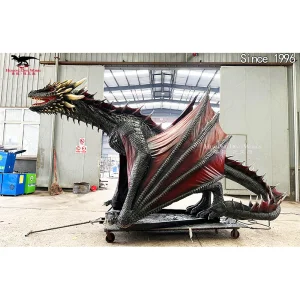
Featured Kindergarten & Early-Learning Dinosaur Installations
Industrial-grade precision, biomechanically stabilized frames, and non-abrasive skins designed for high-traffic educational campuses and theme environments.
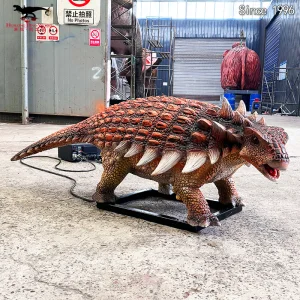
High-Quality Custom Ankylosaurus Model Foam Weatherproof Cretaceous Living Tank
View Engineering Details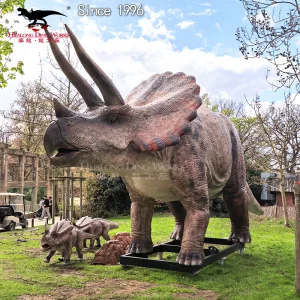
Buy Animatronic Triceratops Model Hualong Technology for Theme Park Exhibition
View Engineering Details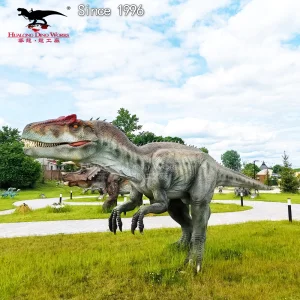
High-Quality Customizable Animatronic Allosaurus Dinosaur for Indoor/Outdoor Use
View Engineering Details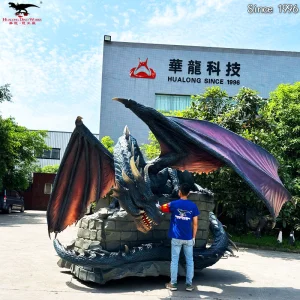
High-Quality High-Tech Animatronic Dinosaur for Museum Exhibition & Custom Sculpture
View Engineering Details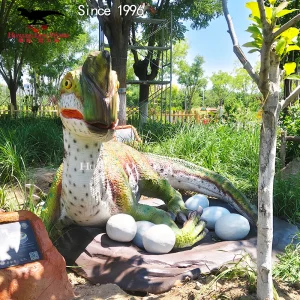
High-Quality Oviraptor Animatronic Dinosaur Life-Size Realistic Model
View Engineering Details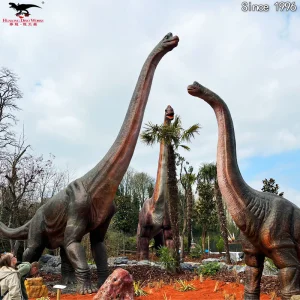
High-Quality Custom Model Life Size Foam Animated Dinosaur Carnivorous Theme Park Exhibit
View Engineering Details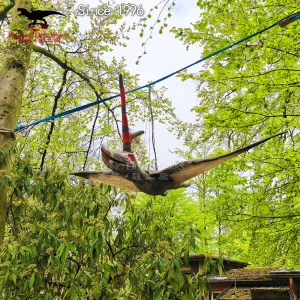
Buy Custom Realistic Pterosaur Animatronic Dinosaur Model Large Pterodactyl
View Engineering Details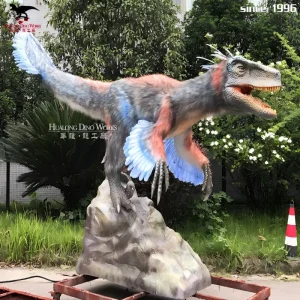
High-Quality Life Size Custom Realistic Animatronic Dinosaur Pyroraptor Models Diorama
View Engineering DetailsGlobal Landscape of Kindergarten & ECE Thematic Sculptures
Early Childhood Education (ECE) design is experiencing a structural paradigm shift. Static, hard-fiberglass models are being systematically replaced by biomimetic, compliant-skin sculptures that satisfy rigorous pediatric safety and sensory development standards.
Universal Playground Safety Mandates
Procurement for educational spaces requires strict compliance with international public playground codes, including ASTM F1487-21 (North America), EN 1176:2017 (European Union), and AS 4685 (Australia). Modern dinosaur installations must eliminate entrapment hazards (head, neck, finger, and clothing torsos), feature controlled fall heights, and maintain rounded, compliant radii across all contact edges.
Transition to Sensory & Biophilic Play
Child psychologists and educational architects are shifting away from purely visual props toward tactile, multimodal engagement. Modern kindergarten dinosaur sculptures serve as tactile landscapes where children feel lifelike reptilian textures, interact with soft silicone extremities, and experience low-decibel auditory cues that stimulate vestibular and sensory processing without overwhelming young nervous systems.
Institutional Capex vs. Lifecycle Durability
Municipal school boards and private early-learning operators require equipment with an engineered design life exceeding 10 years under continuous UV radiation, physical impact, and biological exposure. Fragile hollow resin units have proven cost-inefficient due to cracking and paint degradation. The current industry benchmark demands internal anti-corrosion galvanized structural steel skeletons, layered high-density polyurethanes, and food-contact-grade silicone outer skins.
Localized Application Scenarios in Modern Early Education
Integrating paleolithic thematic sculptures into kindergarten environments demands meticulous zoning that balances pedagogical utility, safety radii, and site-specific micro-climates.
Biophilic Sensory Courtyards
Installed among indigenous greenery, juvenile Protoceratops and Ankylosaurus models serve as tactile stations. Sculptures feature varying dermal grain densities, stimulating nerve endings in young children's fingertips while fostering biological curiosity and observational dialogue during guided open-air curricula.
Gross-Motor Active Playgrounds
Low-profile sauropod flanks and curved theropod tail segments are engineered as balance bridges and climbing mounds. Featuring non-slip micro-texture treatments and zero pinch points, these models meet stringent Critical Fall Height (CFH) limits, encouraging gross-motor navigation and spatial awareness.
Paleontology Sandpits & Excavation
Embedded fiberglass fossil dig zones and realistic T-Rex skulls are integrated directly into safety-graded sandbox environments. Children utilize natural-bristle brushes to uncover anatomical contours, learning spatial geometry, collaborative teamwork, and evidentiary reasoning.
Acoustic STEM Reading Nooks
Indoor animatronic installations utilizing ultra-quiet low-voltage DC drive units. Equipped with integrated child-proximity sensors, these models gently turn their heads, blink, and emit soft vocalizations (under 60 dB) to accompany story hours without startling young listeners.
Under ASTM F1487 and EN 1176 standards, any kindergarten dinosaur sculpture with accessible climbing surfaces exceeding 600 mm (23.6 in) must maintain a minimum clear impact area of 1.5 meters to 1.83 meters in all directions. The perimeter must feature approved shock-absorbing surfacing (e.g., poured-in-place EPDM rubber, engineered wood fiber, or unitary rubber tiles) matched to the sculpture's certified Critical Fall Height (CFH).
Material Integrity, Structural Mechanics & Pediatric Toxicology
Kindergarten environments require far stricter engineering tolerances than commercial theme parks. Our fabrication process adheres to chemical non-toxicity, zero skin-sensitizing volatile emissions, and heavy dynamic mechanical load margins.
Platinum-Cured Biocompatible Silicone
Standard industrial sculptures utilize solvent-thinned tin-cured silicones or cheap PVC skins that leach phthalates, organotins, and volatile organic compounds (VOCs). We utilize 100% medical-grade, platinum-addition liquid silicone rubber (LSR). It is inherently hypoallergenic, resistant to saliva, and fully compliant with EN 71-3 (Migration of Certain Elements) and US Consumer Product Safety Improvement Act (CPSIA) Section 108.
Q235B Galvanized Structural Skeleton
Subsurface mechanical frames are fabricated using hot-dip galvanized Q235B structural carbon steel. Every joint is full-penetration welded to AWS D1.1 specifications, followed by multi-pass zinc-phosphate priming. The mechanical assembly undergoes FEA (Finite Element Analysis) stress modeling to guarantee dynamic support for up to 500 kg simultaneous point loading (simulating up to 15 children clustering on the frame) without structural fatigue or yield failure.
Low-Voltage 24V DC Safe Architecture
For motorized animatronic dinosaur models placed in kindergarten proximity zones, mains 110V/220V AC power inside the body presents an unacceptable hazard. Our educational units are engineered with internal step-down isolation transformers delivering low-voltage 24V/12V DC to all interior brushless servomotors. This eliminates any electrocution risk, even in the unlikely event of physical water ingress or skin breach.
| Performance Parameter | Hualong ECE-Grade Silicone Sculpture | Standard Commercial Animatronic | Conventional Fiberglass (FRP) |
|---|---|---|---|
| Skin Elasticity & Tactile Feel | Shore 10A-20A Ultra-Compliant Soft Touch | Shore 45A-60A Semi-Rigid Silicone | Hard Rigid Shell (Shore 85D+) |
| Pediatric Toxicological Safety | Zero Phthalates, Heavy Metals, or VOCs | May contain industrial curing agents | Styrene vapor emissions if cured poorly |
| Impact Injury Hazard | Energy-absorbing sponge + resilient silicone | Medium sponge layer over rigid linkages | High impact risk (hard fracture risk) |
| Flame Retardancy Rating | DIN 4102 B1 / UL 94 V-0 Self-Extinguishing | Commercial class B2 / Unrated | Standard polyester resin (Combustible) |
| Operating Noise Metric | Silent Brushless DC Servos (<50 dBA) | Standard AC induction motors (65-75 dBA) | Static (No noise) |
China Supply Chain Resilience & The Zigong Advantage
Zigong, Sichuan holds over 85% of the world's market share in lifelike paleolithic simulations. Hualong's 30 years of localized engineering combine this industrial ecosystem with rigorous Western procurement transparency.
Vertical Integration & Raw Material Security
Our 50-acre factory in Bancang Industrial Park directly sources precision planetary gearboxes, high-grade silicones, and structural steel directly from primary mills within a 150-kilometer radius. This tight localization shields overseas buyers from global shipping bottlenecks, volatile material surcharges, and secondary vendor markups.
Artisanal Mastery Meets Modern CNC Precision
Sculpting expressive, approachable dinosaur faces suitable for young children requires nuanced handcraftsmanship alongside advanced digital engineering. Our workshop pairs multi-axis CNC foam contour milling with master sculptors boasting over 20 years of experience, ensuring every sculpture looks biologically authentic without appearing intimidating to toddlers.
Rigorous 72-Hour Continuous Burn-In Protocols
Before export packaging, every kindergarten sculpture undergoes a 72-hour uninterrupted mechanical and thermal stress run. Motor temperature rises are monitored via thermographic imaging, linkage backlash is verified, and skins are exposed to simulated precipitation tests to validate IP65 weather-sealing on all electrical junctions.
Technological Roadmap: The Future of Interactive Edutainment (2025–2030)
The convergence of edge AI, capacitive smart skins, and green circular materials is reshaping early-childhood interactive spaces.
Capacitive Touch-Sensing Skins
Embedding sub-dermal conductive carbon arrays directly within the silicone matrix enables true tactile responsiveness. When children pet an herbivore's flank, the sculpture senses the human contact point, purring or nuzzling gently without requiring visible mechanical buttons.
Self-Healing Antimicrobial Coatings
Integrating non-migratory nano-silver ion matrices into the top sealant coat continuously prevents bacterial colonization (MRSA, E. Coli) between daily playground cleanings, while self-recovering siloxane polymers reduce superficial fingernail and scuff scratches.
Edge-AI Multilingual Audio Storytelling
Next-gen embedded processors deliver localized, curriculum-aligned storytelling. The dinosaur adapts its educational narratives dynamically based on ambient crowd size and age demographics, engaging early learners with paleontological facts and ecology lessons.
Circular Bio-Based Polyurethanes
In alignment with global zero-carbon mandates, our R&D division is validating bio-derived polyols extracted from agricultural waste to replace petroleum-based sculpting foams, minimizing embodied carbon while preserving fire and tensile ratings.
Full Lifecycle Engineering, Structural Anchorage & Compliance
From architectural CAD integration to on-site structural footing engineering, we provide comprehensive documentation packages for municipal approvals and building code sign-offs.
BIM/CAD Architectural Integration
We supply landscape architects with accurate 3D Revit families and 2D DWG clearance envelopes. These include spatial fall zones, clear impact boundaries, electrical stub-up coordinates, and sub-base drainage interfaces, simplifying campus master-planning and local building permit reviews.
Certified Structural Anchoring & Wind Loading
All exterior kindergarten dinosaur installations include stamped structural engineering calculations for foundation embedment. High-strength chemical anchor bolts (M16/M20) into reinforced concrete footings ensure our installations resist overturning moments from Category 12 typhoons or dynamic student play clusters.
Comprehensive Export Documentation & DDP Terms
We eliminate international procurement complexity by offering full DDP (Delivered Duty Paid) logistics. Every shipment is delivered in custom-built, fumigated steel-frame shipping containers, accompanied by material test reports (MTR), CE certificates, flammability test ratings, and SGS inspection dossiers.
Frequently Asked Technical & Procurement Questions
Answers to common structural, toxicological, and logistical inquiries from school district engineers, landscape architects, and commercial facility developers.
How do kindergarten-grade dinosaur sculptures prevent child finger and head entrapment under ASTM F1487 / EN 1176?
What certifications verify the chemical non-toxicity of your silicone and polyurethane skins?
How are the sculptures anchored to survive high-impact student activity and adverse weather?
Can the models endure extreme thermal cycles, intense UV exposure, and heavy rain?
What is the recommended sanitation and routine maintenance protocol for preschools?
How do you keep animatronic noise levels safe for young children?
Can our kindergarten commission custom non-threatening designs or specific educational species?
What are your manufacturing lead times, export logistics, and on-site assembly arrangements?
Explore Additional Animatronic & Play Sculptures
From walking robotic models to full-scale educational dioramas, browse our diverse range of precision-crafted thematic installations.
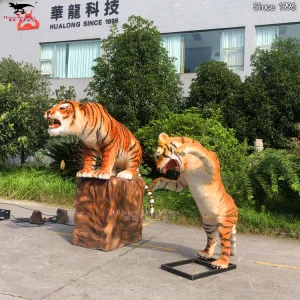
Buy Robot Model Animatronic Animals Custom Tiger Model Weatherproof CE Certified
View Engineering Details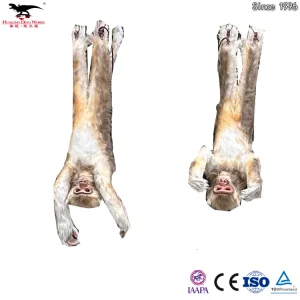
High-Quality Animatronic Monkey Blinking Eyes & Realistic Sounds Waterproof
View Engineering Details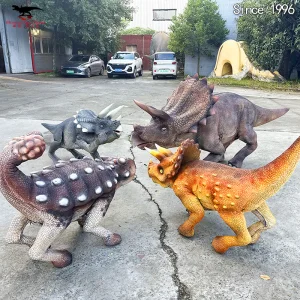
Buy Robot Dog Remote Control Walking Dinosaur Robot Triceratops Supplier
View Engineering Details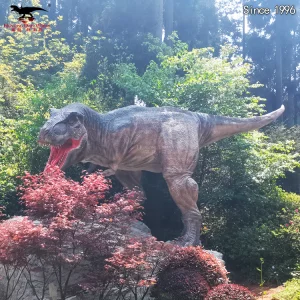
High-Quality T-Rex Dino Robot Dinosaur Model Theme Park Equipment Stadium Attraction
View Engineering Details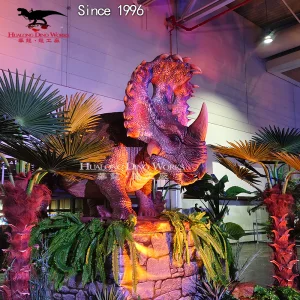
Buy Custom Life-Size Centrosaurus Animatronic Model Weatherproof Outdoor Exhibit
View Engineering Details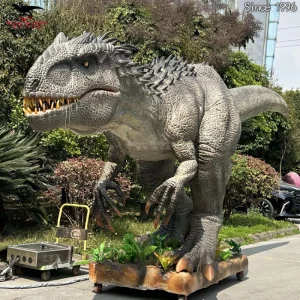
Buy Animatronic Realistic Tyrannosaurus Indominus In Dinosaur Theme Park
View Engineering Details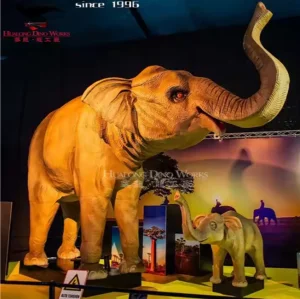
High-Quality Life-Size Animatronic African Elephant Realistic Silicone Skin Roaring Sound
View Engineering Details