
10 Tips for Buying the Best Brachiosaurus Model

Time:2026-10-25 Author:Liam
0%

Choosing the best Brachiosaurus Model involves more than admiring its long neck and towering silhouette. A convincing model should combine accurate proportions, durable materials, stable construction, and carefully applied paint. Museum references, paleontology publications, and transparent manufacturer specifications can help separate educational replicas from decorative toys.

Size matters. A small figure may fit neatly beside books, while a larger model needs a firm, level surface. Check the feet, tail, and neck joints closely. Loose connections can weaken during handling. Look for non-toxic materials, clear age guidance, and reviews that describe real use rather than simple praise. A good product page should show several angles, including the underside and base.

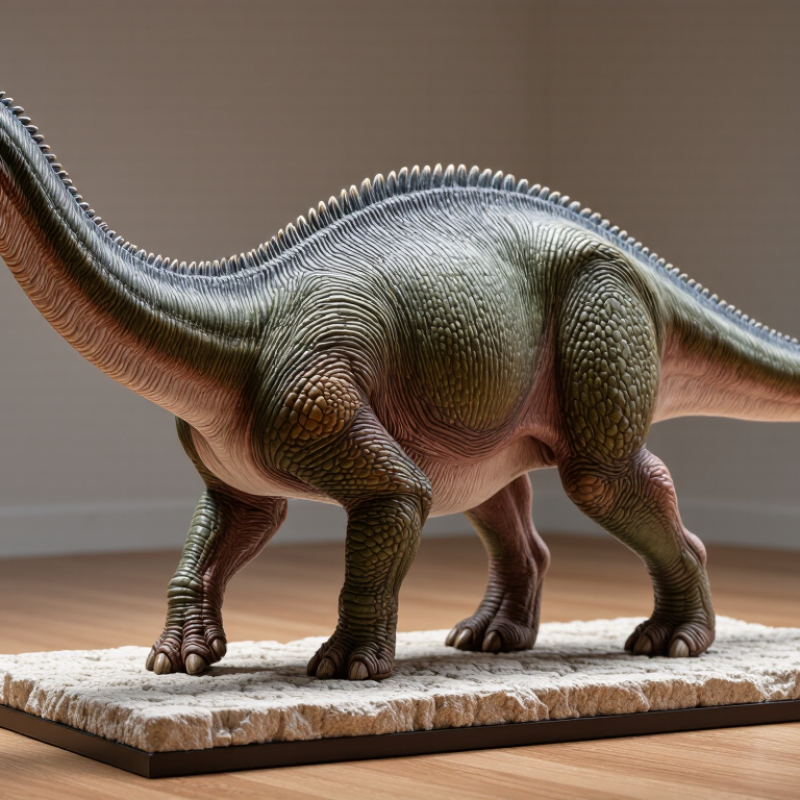
Details reveal quality. Tiny nostrils, textured skin, balanced limbs, and natural coloring can make the animal appear believable without excessive decoration. However, no model is flawless. A hand-painted figure may show slight color variation, and a molded replica may contain faint seam lines. Those imperfections deserve reflection, not automatic rejection. They may indicate craftsmanship, or they may hide careless production.

This guide presents ten practical tips for comparing a Brachiosaurus Model with greater confidence. It considers scientific accuracy, display value, safety, price, and long-term durability. Independent buyer feedback remains useful, but it should be checked against measurements and manufacturer claims. A striking photograph can mislead. Careful inspection wins. With a realistic budget and clear purpose, collectors, students, and families can choose a model that looks impressive and remains trustworthy over time.
10 Tips for Buying the Best Brachiosaurus Model

Understanding Brachiosaurus Species Features and Model Accuracy

10 Tips for Buying the Best Brachiosaurus Model

Understanding the animal matters more than choosing a dramatic pose. Brachiosaurus had very long forelimbs, high shoulders, a sloping back, and a relatively short tail. Its neck rose upward rather than stretching like a horizontal bridge. Check the feet, too. They should look broad and column-like, not like flexible elephant feet. A correctly shaped skull is important, although fossil evidence does not reveal every soft-tissue detail.

Species labeling can be confusing. Some models use Brachiosaurus for forms later assigned to Giraffatitan. That does not automatically make a model useless, but the seller should explain the identification. Compare the piece with published skeletal reconstructions and reputable museum references. Look for balanced proportions, visible joints, and a tail that does not drag heavily on the ground. The nostril position and skin color remain partly uncertain. Be careful with confident claims.

I once preferred a model with a huge neck and bright coloring. It looked exciting, but the forelimbs were too short. That mistake changed how I inspect replicas. Measure the neck against the body, examine the ankle shape, and check whether the pose seems physically supported. Tiny claws and skin wrinkles are attractive details, yet accuracy begins with the skeleton. Some imperfections are acceptable. A slightly uneven paint layer may reflect handmade work, while a distorted shoulder usually signals weak research. Keep the evidence in view.

Defining Your Purpose, Budget, and Preferred Model Scale

Buying the best Brachiosaurus model starts with purpose, not appearance. Decide whether it is for classroom use, scientific display, imaginative play, or adult collecting. A child may need rounded edges, washable materials, and stable feet. A display model needs anatomical detail, a durable finish, and a secure base. Circana reported that United States toy sales reached about $28.6 billion in 2023, after an 8% decline. That pressure makes value comparison more important than impulse buying.

Set a firm budget before comparing sculpt quality. Entry-level models often prioritize size, while premium pieces may add articulated joints, painted skin textures, or research-based proportions. Check measurements carefully. A 1:40 model can exceed 45 centimeters if the animal is reconstructed near 18 meters long. A 1:100 version may fit beside books without dominating a shelf. Paleontological estimates differ, so treat stated scale as an approximation, not absolute truth. That detail matters.

Choose scale according to available space and viewing distance. For a child’s desk, a compact model with a wide stance is practical. For museum-style display, a larger scale reveals muscle contours and toothless jaw structure. Read the manufacturer’s material notes, inspect close-up photographs, and look for evidence of consistent proportions. Grand View Research’s 2024 toys and games analysis identifies collectibles and educational products as important market segments, but market popularity cannot prove scientific accuracy. I still find some impressive models overly glossy. Realistic is not always better.

Comparing Materials, Craftsmanship, and Anatomical Detail

10 Tips for Buying the Best Brachiosaurus Model

Material quality affects both realism and long-term display value. PVC usually handles small impacts well, while ABS offers a firmer, cleaner structure. Resin can capture sharp skin folds, but thin toes and neck edges may chip. I inspect the tail tip, ankle joints, and paint transitions first. These areas reveal rushed molding quickly. A 2023 Circana industry report recorded an 8% decline in U.S. toy sales, making careful purchasing more important than impulse buying.

Craftsmanship should support the animal’s anatomy, not merely decorate it. A convincing Brachiosaurus needs a high shoulder line, column-like legs, a long neck, and balanced weight distribution. The forelimbs should not look shorter than the hind limbs. The skull also deserves attention; oversized teeth or a crocodile-like snout are common artistic mistakes. I compare limb angles with museum reconstructions and peer-reviewed sauropod studies. Small details matter.

Look closely at skin texture. Repeated scales can look artificial. Subtle variation feels more credible. ASTM F963-23 remains a useful safety reference for painted and molded toys, although compliance does not guarantee scientific accuracy. I sometimes overvalue dramatic coloring, and that is a mistake. Natural history evidence cannot always determine exact skin patterns. Choose clean paint, stable joints, and anatomical restraint over flashy effects.

Checking Size, Stability, Safety, and Display Requirements

10 Tips for Buying the Best Brachiosaurus Model

Buying the best Brachiosaurus model starts with measuring the intended space, not admiring photos alone. A tall figure may look impressive online, yet its neck can touch shelves, lamps, or ceiling fans. Measure height, width, and tail clearance with a tape measure. Leave several centimeters around delicate parts. Scale matters greatly. Compare the model with familiar objects, such as a desk or child’s bookcase. Some advertised dimensions exclude the tail or base, which can create an avoidable surprise.

Stability deserves practical testing. Choose a broad, level base and inspect how the feet connect to it. A heavy upper body with narrow ankles can tip when lightly bumped. For a household with children or pets, avoid sharp horns, brittle spikes, and loose detachable pieces. Run a finger along edges; rough seams may need careful correction before display. Use non-toxic, clearly identified materials when possible, but do not treat a label as proof of quality. I once trusted a rigid-looking pose that leaned after a week, so photographs are not enough.

Display requirements also include light, dust, humidity, and access for cleaning. Direct sunlight can fade painted surfaces, while damp rooms may weaken joints or encourage surface damage. Place the model away from heaters and busy walkways. A hidden support can improve security, though drilling into furniture may damage it. Check assembly instructions, weight limits, and replacement-part information before purchase. If the model feels unstable in your hands, reconsider the pose or return policy. I still prefer a slightly less dramatic model when it stands safely every day.

Evaluating Sellers, Reviews, Authenticity, and Overall Value

When buying a Brachiosaurus model, evaluate the seller before admiring the pose. Look for clear dimensions, material details, production photos, and a readable return policy. Reliable sellers explain whether the model is hand-painted, assembled, or factory-finished. They should also answer practical questions about packaging and replacement parts. I once trusted a beautiful product image and overlooked its tiny listed size. The model arrived smaller than my hand. That mistake still influences my buying decisions.

Reviews deserve careful reading, not blind trust. Give more weight to verified buyers who mention joint strength, paint consistency, balance, and shipping protection. Repeated complaints about bent necks or chipped plates may reveal a design problem. A single angry review proves little. Photos show more than enthusiastic adjectives. Check whether the displayed model matches customer images, including color and surface texture. Short reviews help less.

Authenticity needs a precise definition. A commercial model is not a real fossil, and no sculpt can perfectly confirm every anatomical detail. Compare the neck angle, skull shape, feet, and tail with references from museums or respected paleontology publications. A credible description should identify the reconstruction basis without promising impossible certainty. Overall value includes accuracy, durability, scale, finish, delivery risk, and after-sales support. The cheapest option can become expensive after repairs. Still, expensive does not automatically mean expert-made. I sometimes overvalue dramatic size and forget display space, dusting effort, and the model’s actual educational usefulness.

FAQS

What body features should an accurate Brachiosaurus model show?

Look for very long forelimbs, high shoulders, and a sloping back. Its neck should rise upward. The tail should be relatively short and not drag heavily. Broad, column-like feet matter too.

How can I judge the model’s skeletal accuracy?

Compare it with museum references and published skeletal reconstructions. Check the skull, joints, ankles, shoulder shape, and tail. Tiny claws are attractive, but the skeleton matters more. A distorted shoulder is a warning sign.

Why can the species name on a model be confusing?

Some models use one name for forms later assigned to another sauropod group. That does not automatically make the model poor. The seller should explain the identification clearly. Confident claims deserve checking.

What size should I choose for my display space?

Measure height, width, and tail clearance with a tape measure. Leave several centimeters around delicate parts. A tall neck may touch shelves, lamps, or ceiling fans. Check whether listed dimensions include the base and tail.

How do I test whether the model is stable?

Inspect the base and foot connections. Choose a broad, level base. A heavy upper body and narrow ankles may tip easily. Give it a gentle bump. Stability beats drama.

What safety details matter in a home with children or pets?

Avoid sharp edges, brittle spikes, and loose detachable pieces. Run a finger along seams carefully. Check the materials and assembly instructions. Clear labeling helps, but it is not proof of quality.

Where should I display the model?

Keep it away from direct sunlight, heaters, damp rooms, and busy walkways. Sunlight can fade painted surfaces. Humidity may weaken joints or damage surfaces. Leave enough access for dusting and inspection.

Are small paint flaws acceptable?

A slightly uneven paint layer may suggest handmade work. That can be acceptable. A leaning neck or distorted shoulder is more serious. I once trusted a dramatic pose that leaned after one week. Photographs are not enough.

Conclusion

Choosing the best Brachiosaurus Model begins with understanding the dinosaur’s distinctive features, including its long neck, elevated posture, sturdy legs, and balanced body shape. A well-designed model should reflect these characteristics with accurate proportions, natural textures, and carefully crafted anatomical details. Before buying, consider the model’s purpose, available display space, budget, and preferred scale, since a collectible, educational piece, or decorative figure may require different qualities.

Material and craftsmanship also influence appearance, durability, and value. Compare options for realistic finishing, stable construction, appropriate size, and safe design, especially if the model will be handled by children. Think about where it will be displayed and whether it needs a wide base or extra support. Finally, evaluate sellers through customer reviews, product descriptions, clear photographs, and authenticity information. By balancing accuracy, quality, safety, price, and personal preferences, you can select a Brachiosaurus Model that is visually impressive, dependable, and suitable for long-term enjoyment.

Liam

Liam

Liam is a dedicated marketing professional with a profound expertise in the industry, where he excels at highlighting the unique advantages of our core products. With a keen understanding of market trends and consumer needs, Liam frequently updates our company’s professional blog, providing......