
How to Choose a Simulated Triceratops for Your Business?

Time:2026-10-20 Author:Mason
0%

Choosing a Simulated Triceratops for your business requires more than selecting the largest model available. Size, movement, sound, materials, and maintenance costs can directly affect customer experience. A museum may need scientific detail, while a retail attraction may value dramatic movement and strong visual appeal. The right choice begins with your site, audience, budget, and operating conditions.

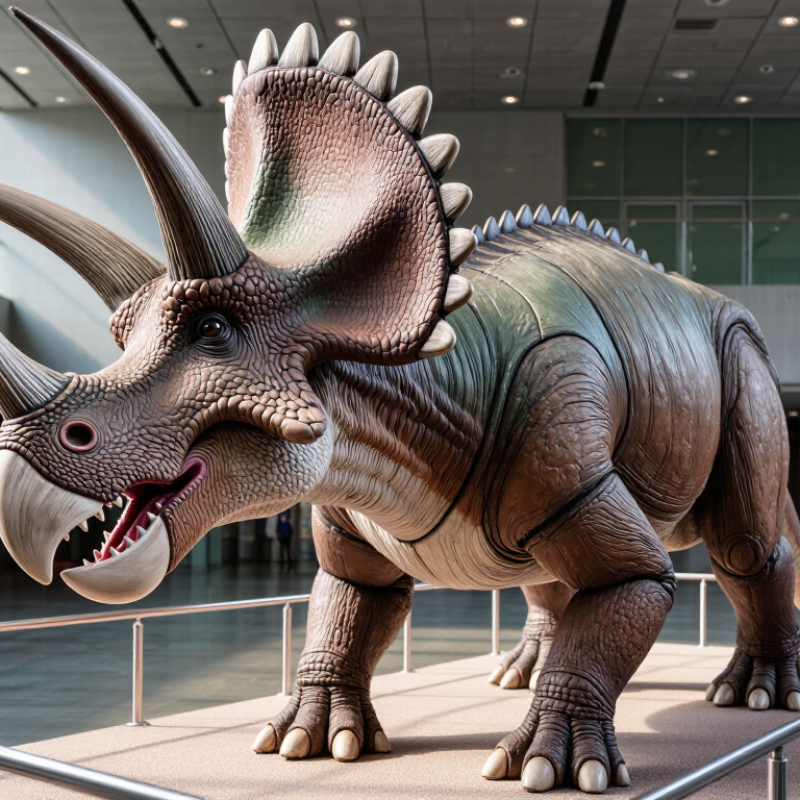
Look closely at the dinosaur’s frame, skin texture, teeth, eyes, and horn finishing. High-quality fiberglass, reinforced steel, and weather-resistant coatings can support long-term public use. Ask suppliers for product specifications, safety information, installation guidance, and maintenance records. Reliable manufacturers should explain motor systems, noise levels, power requirements, and replacement-part availability. Demonstration videos can help, but an in-person inspection reveals details cameras often hide.

Think about visitor flow. A moving head may attract attention, yet sudden sounds could disturb younger guests. Outdoor displays need protection from rain, sunlight, dust, and temperature changes. Indoor models require stable flooring and sufficient clearance around moving parts. Certification and professional installation also deserve careful review. Requirements vary by location, so confirm them with qualified local professionals.

A memorable display matters.

However, appearance alone does not guarantee business value. Our first assumption might be that a larger Triceratops always creates more excitement. In practice, limited spaces may make a smaller, quieter model more effective. Compare warranty terms, service response times, expected lifespan, and total ownership costs. With careful evaluation, your Simulated Triceratops can become a durable attraction rather than an expensive centerpiece that soon needs replacement.
How to Choose a Simulated Triceratops for Your Business?

Define Your Business Goals for a Simulated Triceratops

How to Choose a Simulated Triceratops for Your Business?

Define Your Business Goals for a Simulated Triceratops

Start with the business outcome, not the dinosaur’s appearance. A museum may need accurate anatomy and quiet movement. A family entertainment venue may prioritize photographs, sound, and visitor interaction. An event company may need quick assembly, transport, and dependable operation. The 2023 TEA/AECOM Theme Index recorded 521.3 million visits across the world’s top 25 theme parks. That figure shows the value of memorable attractions, but attendance alone does not guarantee revenue. Set measurable goals, such as longer visitor dwell time, more ticket upgrades, or additional event bookings.

Tips: Write one primary goal and two supporting metrics. For example, target a 15% increase in photo-stop engagement within three months. Check the model’s footprint beside your entrance, queue, and emergency routes. A realistic head may attract attention, but poor sightlines can reduce its commercial value. Ask for testing records, material specifications, noise levels, and maintenance schedules. Professional installation and routine inspections also support safer operations.

A useful model should fit your audience and operating capacity. Grand View Research has identified steady growth in the global amusement parks market, yet projections are not promises. They can encourage overinvestment. I would review seasonal demand, staffing limits, cleaning time, and repair access before approving a purchase. The most impressive triceratops may be the wrong choice if it spends peak weekends under maintenance. That possibility deserves attention.

Compare Triceratops Models by Size, Design, and Realism

How to Choose a Simulated Triceratops for Your Business?

Choosing a simulated Triceratops starts with size. Measure doorways, ceiling height, visitor paths, and storage space before comparing models. A compact model suits retail displays and indoor education areas. Larger models create stronger impact in museums, themed venues, and outdoor attractions. However, excessive size can block movement and increase installation costs.

Design affects how visitors understand the animal. Check the skull shape, horn alignment, frill pattern, feet, and tail position. Realistic proportions matter more than dramatic features. A good model should show believable skin folds, balanced posture, and carefully painted scales. Movement adds value when the head, eyes, jaw, or breathing system works smoothly. Listen for mechanical noise during demonstrations. It may become distracting in quiet spaces. I once preferred a highly animated model, but its motion looked repetitive after several minutes.

Tips: Compare models under your actual lighting. Ask for close-up photos of the skin and eyes. Confirm the frame material, weather resistance, cleaning needs, and service access. Test visitor distance, too. Fine details disappear when guests stand several meters away. A slightly imperfect texture can feel more natural than glossy, uniform skin. Require safety documentation and clear operating instructions before installation. Check those details carefully.

How to Choose a Simulated Triceratops for Your Business? Compare Triceratops Models by Size, Design, and Realism
Model Category Overall Length Approx. Height Approx. Weight Primary Construction Design and Movement Realism Level Best Business Use
Compact Display Triceratops 1.8–2.2 m 0.9–1.2 m 45–90 kg Fiberglass shell with steel support frame Static pose; detailed facial features and painted skin texture Basic Retail displays, classrooms, offices, and indoor exhibitions
Medium Indoor Animatronic 3.0–3.8 m 1.6–2.0 m 180–320 kg Steel frame, molded fiberglass, and flexible silicone or rubber skin Head, jaw, eyes, and tail movement; programmable sound effects Good Museums, visitor centers, themed restaurants, and shopping centers
Full-Scale Exhibition Model 6.0–7.5 m 2.4–2.9 m 650–1,100 kg Reinforced steel structure with fiberglass and polyurethane components Head, mouth, neck, eyes, and breathing motion; integrated audio system High Large museums, science parks, educational attractions, and public venues
Outdoor Weather-Resistant Model 6.5–8.0 m 2.6–3.1 m 800–1,400 kg Galvanized steel frame, fiberglass body, and UV-resistant exterior coating Limited motorized head and jaw movement; sealed electrical compartments High Outdoor parks, farm attractions, event grounds, and tourism sites
Premium Scientific Replica 7.0–8.5 m 2.7–3.2 m 900–1,500 kg Engineered steel frame, sculpted composite body, silicone skin, and glass eyes Multi-axis movement, synchronized breathing, blinking, jaw action, and directional audio Very High Premium museums, immersive attractions, documentary exhibitions, and flagship venues
Portable Event Prop 2.5–3.5 m 1.5–2.1 m 80–220 kg Lightweight aluminum frame, reinforced fabric, foam, and molded details Modular sections; optional operator-controlled head or mouth movement Moderate Trade shows, temporary campaigns, photo areas, and touring events

Measurements and weight ranges are typical planning estimates for commercial simulated dinosaur models. Final specifications vary according to scale, materials, animation systems, safety requirements, and installation conditions.

Evaluate Materials, Movement Systems, and Safety Features

How to Choose a Simulated Triceratops for Your Business?

Material quality affects appearance, maintenance, and visitor safety. Fiberglass-reinforced plastic offers a rigid shell and resists repeated cleaning. Silicone or flexible polyurethane can create more natural skin movement. Ask for flame-spread test results, UV-resistance data, and material safety documentation.

A weak coating may crack around the horns, eyes, or neck after one hot season. I have seen impressive models fail because their surfaces were chosen for photographs, not daily public contact.

Movement systems deserve closer inspection. Electric actuators usually provide cleaner operation than exposed hydraulic systems, but they still need guarded joints. Check the head rotation speed, stopping distance, noise level, and emergency-stop response.

ISO 12100 recommends risk assessment and risk reduction throughout machine design.

The 2023 U.S. Bureau of Labor Statistics reported 2,607,900 nonfatal workplace injury and illness cases in private industry.

That figure is not dinosaur-specific, but it reinforces a practical point: routine hazards deserve serious controls.

Safety details should be tested, not merely described. Look for covered pinch points, stable anchoring, low-voltage controls, cable protection, and documented inspection intervals.

ASTM F24 guidance can help when the installation functions like an amusement attraction, while local electrical and fire requirements still apply. Request load-test records and a written shutdown procedure.

Better yet, watch the unit operate repeatedly before purchase. One overlooked weakness may be the emergency stop button, placed behind scenery where staff cannot reach it quickly.

Match the Dinosaur Installation to Your Location and Audience

How to Choose a Simulated Triceratops for Your Business?

Match the installation to your location and audience before judging its appearance. The TEA/AECOM 2023 Theme Index recorded about 505 million visits across the world’s top 20 theme parks. This suggests strong demand for memorable, photographable experiences. However, a large triceratops may overwhelm a small museum entrance or narrow retail walkway.

Measure the site carefully. Record ceiling height, door width, floor loading, sunlight, drainage, and visitor flow. An outdoor model needs weather-resistant materials, stable anchoring, and safe distances from children. For indoor use, reduce the scale and choose quieter movement. A 4-meter head near a café can block signs, frighten toddlers, and create cleaning problems. I have seen attractive installations fail because staff could not reach the rear surface easily.

Audience research matters as much as dimensions. The 2024 Museum Attendance Report from the American Alliance of Museums highlights the value of accessible, engaging visitor experiences. Families may prefer a friendly posture and touchable textures. School groups need clear educational labels and unobstructed viewing areas. Teenagers often seek dramatic photo angles. Business visitors may respond better to a refined, static display. Consider testing cardboard silhouettes with real customers first. It feels less exciting, but it reveals weak sightlines quickly. A perfect dinosaur does not fix an unsuitable location.

Review Pricing, Maintenance Needs, and Supplier Support

Choosing a simulated triceratops for a business requires more than comparing purchase prices. A low quote may exclude shipping, installation, control systems, or indoor reinforcement. Ask suppliers for a complete cost breakdown. Include delivery, setup, staff training, and expected energy use. Request a written quotation with currency, lead time, warranty coverage, and payment stages. This protects your budget from unpleasant surprises.

Maintenance needs depend on the display’s size, movement, and location. Outdoor exhibits usually need weather-resistant coatings, sealed electrical connections, and regular inspections. Dust can affect motors and sensors. Keep a simple monthly checklist for cleaning, cable checks, joint movement, and unusual sounds. The creature may look prehistoric, but its maintenance is modern. Replacement skins, motors, and control components should be available for several years. Some suppliers promise easy repairs, yet their spare-parts terms may be vague. That deserves closer questioning.

Supplier support often determines whether the attraction remains reliable during busy periods. Look for technical manuals, remote troubleshooting, installation guidance, and reachable service staff. Ask how quickly they respond to faults and whether technicians can visit your site. Test the communication before signing anything. A supplier that answers detailed questions clearly usually understands the equipment. Still, do not rely on promises alone. Request service records, customer references, and sample warranty procedures. I would also budget for occasional downtime, because even a well-built dinosaur can stop moving at the worst moment.

FAQS

What should a business decide before choosing a simulated triceratops?

Define one primary business goal and two supporting measurements. You might target longer visitor stays, more photo interactions, or additional bookings. Appearance alone is not enough.

How should the model match the venue?

A museum may need accurate anatomy and quiet movement. A family venue may prefer sound, photographs, and visitor interaction. An event operator may value fast assembly and simple transport.

What measurements should be checked before installation?

Measure the model’s footprint beside entrances, queues, and emergency routes. Check sightlines from several visitor positions. A realistic head can still block important views.

How can a business judge operating capacity?

Review staffing, seasonal demand, cleaning time, and repair access. The most impressive model may be unsuitable during busy weekends. That risk deserves reflection.

Which materials are suitable for public display?

Rigid reinforced plastic can resist repeated cleaning. Flexible materials may create more natural skin movement. Request flame-spread results, ultraviolet resistance data, and safety documents.

What movement details require close inspection?

Check head speed, stopping distance, operating noise, and emergency-stop response. Joints should be guarded. Test it repeatedly.

Which safety features should the model include?

Look for covered pinch points, stable anchoring, low-voltage controls, and protected cables. Ask for load-test records and written inspection intervals. A hidden weakness can become a serious operational problem.

Where should the emergency stop button be placed?

Staff should reach it quickly from normal operating positions. Do not place it behind scenery or near blocked access. Watch the model operate before purchasing.

Conclusion

Choosing a Simulated Triceratops for your business begins with defining its purpose, such as attracting visitors, creating an educational display, supporting themed entertainment, or enhancing a retail environment. Compare available models by size, appearance, movement range, sound effects, and overall realism to ensure the installation matches your goals and budget. Pay close attention to construction materials, internal movement systems, stability, and safety features, especially if the dinosaur will be placed near children or in a busy public space.

Your location and audience should guide the model’s scale, design, and interactive functions. Indoor venues may require compact, quiet options, while outdoor installations may need weather-resistant construction and stronger anchoring. Before making a decision, review the total pricing, installation requirements, routine maintenance, replacement-part availability, and supplier support. A well-planned Simulated Triceratops should provide lasting visual appeal, reliable operation, and a safe, memorable experience for visitors.

Mason

Mason

Mason is a seasoned marketing professional with a deep expertise in the company's offerings and a passion for driving brand awareness. With a strong background in digital marketing strategies, he has an innate ability to connect with diverse audiences and effectively communicate product benefits.......