
How to Choose the Best Stegosaurus Model in 2026?

Time:2026-11-04 Author:Aria
0%

The Stegosaurus Model market in 2026 offers everything from palm-sized desk figures to detailed museum-style replicas. Choosing well takes more than picking the sharpest plates or brightest paint. Scale, materials, pose, stability, and intended use all affect whether a model feels right after it arrives. A seven-inch figure may suit a crowded shelf, while a larger piece needs room and a sturdy base. Small details matter.

This guide explains how to compare sculpt accuracy, finish, construction, and value without treating a high price as proof of quality. It also considers age suitability, display space, packaging, and seller information, since these practical details are easy to overlook in product photos. Check the stated material and care instructions, too; a model intended for display may need gentler handling than a toy designed for frequent play. Look closely at the back plates, tail spikes, joints, and paint edges. Uneven seams or a wobbly stance can change the experience. For collectors, anatomical consistency and scale may matter most. For a child’s play area, durability and easy handling can take priority. Neither choice is automatically better.

Specifications are not always complete, and photographs can hide flaws. That is worth admitting. Use available measurements, clear close-up images, and dependable reviews to make a measured decision. The best Stegosaurus Model is the one that fits your budget, purpose, and expectations—not simply the one with the most dramatic description. Even then, tastes differ, and a model that looks convincing online may feel slightly different in person.
How to Choose the Best Stegosaurus Model in 2026?

What Defines a Stegosaurus Model?

What Defines a Stegosaurus Model?

A convincing Stegosaurus model starts with anatomy, not decoration. The Natural History Museum in London describes the animal as reaching about 9 metres long. That gives buyers a useful sense of scale. On a shelf, a 20-centimetre figure should still suggest a low, heavy body, small head, and long tail.

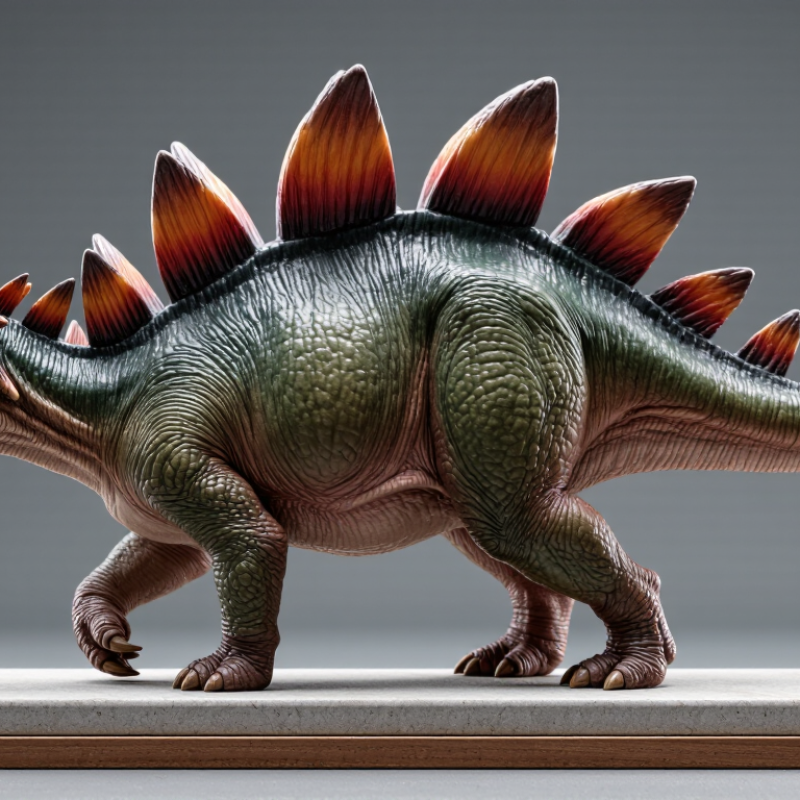
Look closely at the plates. Stegosaurus is commonly reconstructed with two staggered rows along its back, plus four tail spikes. The Smithsonian’s National Museum of Natural History explains that the plates were not simple defensive armour; their exact function remains debated. Good models preserve their distinct shapes and spacing, rather than making them identical triangles. Small details matter.

Material and proportions matter too. A rigid figure may hold crisp plate edges, while softer material can better tolerate handling. Check that the tail and legs feel balanced, and that the feet sit flat. A model can be scientifically informed without looking perfectly lifelike. Some fossil details are incomplete, so makers must interpret them. That uncertainty is worth noticing, not hiding. Peer-reviewed anatomical work, including research published in the Journal of Systematic Palaeontology, helps distinguish evidence-based features from artistic choices. A little variation is normal.

Which Model Types, Sizes, and Scales Are Available?

Stegosaurus models come in several forms. Static figures suit display shelves and often show detailed plates, textured skin, and raised tail spikes. Articulated models allow simple posing, while skeleton replicas highlight the animal’s distinctive back plates and sturdy limbs. Build-it-yourself kits can offer a closer look at how the parts fit together. Plush versions are softer, but usually sacrifice fine anatomical detail.

Size and scale are not the same thing. A 20-centimeter figure may be labeled 1:35, yet measurements can vary because estimates of Stegosaurus length differ and manufacturers may measure figures differently. Check the listed height and length, not just the scale label. Small models fit a desk; larger ones need room for the tail and plates. Measure your display space before choosing. A model that looks compact online can feel surprisingly wide in person.

Tips: Compare photos from several angles, and check whether assembly is required. For younger collectors, look for securely attached parts and age guidance. For anatomical detail, examine the plate arrangement and tail spikes. Nice details matter. But scale claims can be imperfect, so treat them as a guide rather than an exact scientific measurement.

How Can You Assess Anatomical Accuracy and Detail?

A convincing Stegosaurus model should match fossil evidence, not just look dramatic. Check the skull, short forelimbs, arched back, and low-slung body against published skeletal reconstructions. Maidment and colleagues’ 2015 PLOS ONE study documents the anatomy of Stegosaurus stenops, providing a stronger reference than stylized artwork. Look closely at the plates: they should rise from the back in two alternating rows, rather than form a neat, mirrored pair. Small errors matter.

Check the feet. The hind limbs should look longer and heavier than the forelimbs, supporting the animal’s distinctive body shape. The Natural History Museum’s Stegosaurus profile describes 17 back plates and four tail spikes; use those counts as practical checks, while remembering that fossils do not preserve every soft-tissue detail. Inspect the spike placement, too. Tail weapons should sit at the end of a flexible-looking tail, not point stiffly outward like decorations. Surface texture should suggest skin without burying the underlying anatomy. I would not treat every scale or color choice as settled science. Some details remain uncertain, and a polished model can still be inaccurate. References: Maidment et al., PLOS ONE (2015); Natural History Museum, Stegosaurus profile.

Which Materials and Build Styles Suit Your Needs?

Material changes the feel as much as the finish. ABS suits sturdy, poseable Stegosaurus models and repeated handling. Polystyrene allows crisp plates, claws, and tiny scale textures, but thin parts can snap during assembly. Soft PVC bends more easily and often works for younger users, though sculpted edges may look less sharp. Resin captures fine surface detail for display pieces, but its brittleness makes falls costly. Check the joints, plate thickness, and underside seams before buying; glossy paint can hide rough molding. Small parts also need age-appropriate handling.

Build style should match how the model will be used. A snap-fit kit offers a satisfying afternoon project, while a painted, one-piece figure is ready for a shelf. Circana’s 2024 tracking of 12 major toy markets reported a 1% rise in toy sales value, a reminder that demand shifts across product types—not proof that any one build style is superior. For a lower-waste choice, look for durable parts and repairable joints. The OECD’s Global Plastics Outlook reports that only 9% of plastic waste was recycled globally in 2019. That figure covers all plastics, not dinosaur toys specifically. I still find material labels imperfect; inspect the actual construction where possible.

How Should You Compare Models for Different Uses?

For a display shelf, compare the model’s footprint, pose, and surface detail. A broad tail and sturdy legs can help it sit securely, especially on a narrow shelf. Look closely at the plates: are they evenly spaced, or do they appear overly uniform? Small differences can make the animal feel more natural. A compact model may suit a desk, while a larger one gives sculpted details more room to show. Measure your available space before choosing. Easy to forget.

For classroom use, prioritize clear anatomy and durable construction over tiny decorative details. Check whether the head, legs, and back plates are easy to identify from several angles. If the model has separate parts, inspect how firmly they connect; loose pieces can interrupt a lesson. For children’s supervised play, smooth edges and a stable stance matter more than exact scale. For photography, consider the pose and finish: matte surfaces often show less glare under a desk lamp. A useful comparison is to view models beside a ruler or familiar object. Scale labels can be helpful, but they do not always convey how large a figure feels in a room. I would not judge accuracy from color alone; fossil evidence informs anatomy, but skin color remains uncertain. The “best” choice depends on its job, and sometimes a less detailed model works better.

How to Choose the Best Stegosaurus Model in 2026?

Compare Model Scales for Different Uses

Model lengths are calculated from an approximate 7.5 m adult Stegosaurus length, near the midpoint of commonly cited estimates of 6–9 m. A 1:20 model suits a large display, while smaller scales are easier to fit in classrooms or on a desk. Actual fossil length estimates vary, so treat these as approximate comparisons.

FAQS

What types of Stegosaurus models are available?

Static figures suit shelves, while articulated models can be posed. Skeleton replicas show the bones. Build-it-yourself kits reveal how parts fit together. Plush versions feel soft but usually show fewer anatomical details.

How do I choose the right model size?

Check the listed height and length, not only the scale label. A small figure may still have a wide tail and tall plates. Measure your shelf first. Photos can mislead.

What details help assess anatomical accuracy?

Look for short forelimbs, heavier hind legs, an arched back, and a low body. Compare the shape with fossil-based skeletal reconstructions. Dramatic does not always mean accurate.

How should the back plates and tail spikes look?

The plates should rise in two alternating rows, not two perfectly mirrored lines. Many references show 17 plates and four tail spikes. These counts are useful checks, not certainty for every fossil.

Which materials are best for handling and display?

ABS can suit sturdy, poseable figures. Polystyrene allows crisp details, but thin parts may snap during assembly. Soft PVC bends more easily. Resin can capture fine detail, but falls may damage it.

Should I choose a kit or a ready-made figure?

A snap-fit kit offers a hands-on project and shows how components connect. A painted, one-piece figure is ready for display. Check whether assembly is required before buying.

What should I inspect before choosing a model?

Check joint strength, plate thickness, underside seams, and tail flexibility. Glossy paint can hide rough molding. For younger users, review age guidance and look for securely attached parts.

Are model scales and surface details always reliable?

No. Stegosaurus length estimates vary, and scale labels can be inconsistent. Skin texture and color are also uncertain. I still find some details hard to judge from pictures alone.

Conclusion

Choosing the best Stegosaurus Model in 2026 starts with understanding what you need it to represent and how you plan to use it. Models come in a range of sizes and scales, from compact display pieces to larger, more detailed specimens. Compare the proportions, plate arrangement, tail spikes, and surface features to judge how clearly each captures the dinosaur’s recognizable anatomy.

Material and construction also affect a model’s appearance, durability, and care requirements. A simple, sturdy design may suit casual display or younger collectors, while a finely detailed model can be a better fit for educational settings or a dedicated collection. Consider the available space, intended audience, desired level of realism, and budget together. By weighing these factors rather than focusing on size or detail alone, you can choose a Stegosaurus Model that fits both your purpose and your expectations.

Aria

Aria

Aria is a dedicated marketing professional with a deep passion for innovative strategies and a keen understanding of our company's product offerings. With a wealth of experience in the industry, Aria excels at crafting engaging content that highlights the unique features and benefits of our......