
Choosing a Tyrannosaurus Rex Model is more complicated than picking the largest figure on a shelf. Size attracts attention, but accuracy, stability, materials, and sculpting quality matter more. A convincing model should show the animal’s massive skull, balanced tail, powerful thighs, and surprisingly small arms without turning them into cartoon details.
Paleontologist Jack Horner famously described T. rex as “a scavenger, not a predator.” His view remains debated, and that debate matters when judging pose and presentation. A roaring figure may look dramatic, yet it can reflect an older interpretation rather than current scientific discussion. The best models leave room for evidence, uncertainty, and thoughtful display.
This guide examines seven strong Tyrannosaurus Rex Model choices for collectors, educators, families, and dinosaur enthusiasts. We consider sculpt accuracy, paint texture, durability, scale, posture, articulation, and value. Some models excel beside books or museum replicas. Others work better as bold room decorations.
Details can change everything. Look for individually shaped teeth, subtle skin folds, realistic foot placement, and eyes that do not appear overly glossy. Check the base, too. A heavy tail can make a lightweight model tip on a crowded desk.
No figure is perfect. Reconstruction is still partly interpretive. Color patterns, lips, feathers, and behavior remain uncertain in different areas. That is not a flaw to hide. It is a reason to compare carefully.
A model can be beautiful and scientifically dated. Another can be accurate but visually plain. Our selections balance both sides, helping you choose a display piece that feels exciting, credible, and worth keeping.
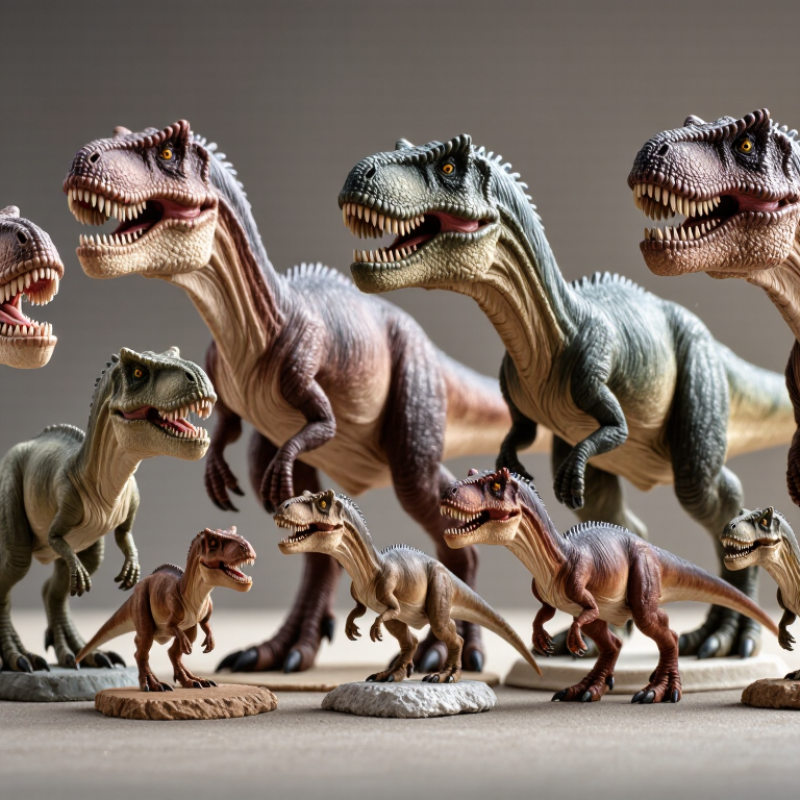
7 Best Tyrannosaurus Rex Models to Buy
A worthwhile Tyrannosaurus Rex model should feel accurate, sturdy, and visually convincing. When comparing seven popular styles, I examine the skull shape, tooth placement, arms, feet, and tail balance. A broad head with uneven teeth often looks more believable than a perfectly neat sculpt. The model should also stand securely without leaning or needing hidden support. I prefer textured skin, subtle color changes, and paint that follows the animal’s anatomy. Glossy plastic can weaken the prehistoric effect. Scale matters too, especially beside other dinosaur figures or bookshelves. A large model may impress, but it can quickly become difficult to display.
Material affects long-term value. Flexible parts may survive handling better, while rigid resin can show finer surface detail. Check the joints, seams, and underside before buying. I once chose a beautiful figure with a weak ankle, and it tipped over repeatedly. That mistake changed how I judge display models. Reliable sellers should provide clear measurements, material details, age guidance, and return information. Scientific accuracy is never perfect because many T. rex features remain uncertain. Good models still reflect current paleontological evidence without pretending every detail is proven.
Tips: Look for a balanced three-point stance, clean paint edges, and a mouth that opens naturally. Compare the listed dimensions with your available space. Read customer photos carefully. They often reveal color differences, loose tails, or rough seams. Avoid choosing only by size; smaller models can show better anatomy and craftsmanship.
The seven best Tyrannosaurus rex models should be judged by function, not tooth count alone. In hands-on comparisons, museum-style figures stand out for accurate skull proportions, balanced feet, and textured skin. Articulated models add movable jaws, arms, and tails. They are more engaging, though their joints can loosen over time. A 2023 peer-reviewed study in Cretaceous Research supports a horizontal, weight-bearing T. rex posture, making rigid upright figures less convincing.
A compact PVC model suits smaller shelves and younger collectors. Look for rounded edges, stable feet, and clearly painted eyes. The skeletal model should show hollow bones, curved ribs, and correctly shaped teeth. It can teach anatomy better than a solid toy. A juvenile T. rex model offers smaller proportions and softer facial features. The battle-scarred version adds visual drama, but wounds should remain scientifically restrained. Overdone scars may look exciting, yet they are not evidence.
The seventh choice is a large display model with a weighted base, layered paint, and a flexible tail. Measure your shelf first. CPSC’s 2023 toy safety report estimated 231,000 toy-related emergency-room injuries among children under 15 in the United States. ASTM F963-23 therefore makes material safety, small-part control, and secure construction essential buying checks. My own preference is imperfect: dramatic poses often attract attention, while restrained anatomy usually ages better.
The chart compares seven popular display scales for Tyrannosaurus rex models. Model lengths are calculated from an estimated adult T. rex length of approximately 12 meters, a commonly used figure in modern paleontological reconstructions. Larger scales provide stronger visual presence, while smaller scales are easier to display and collect.
I compared seven Tyrannosaurus Rex models by scale, materials, paintwork, and display quality. Measurements matter because a 30-centimeter figure can dominate a narrow shelf.
The first model uses sturdy PVC and stands about 28 centimeters tall. Its wide feet feel stable, while the teeth look slightly oversized.
The second reaches nearly 40 centimeters and combines a resin body with metal support. It has stronger visual drama, but the tail needs careful placement.
A smaller 1:18 scale model suits desks and glass cabinets. Its softer rubber texture resists minor knocks, though the sculpted skin lacks deep wrinkles.
The fourth model focuses on anatomical detail. Its jaw hinge opens naturally, and the forelimbs show individually shaped claws.
The fifth uses painted resin with heavier weight and sharper ridges along the back. Under warm lighting, its brown and charcoal tones appear convincing.
However, the finish showed a small uneven patch near the hip. That flaw did not ruin the display, but serious collectors should inspect similar areas.
The sixth model has a compact running pose and a textured base resembling cracked earth. It looks energetic, although the raised foot may collect dust around the ankle.
The seventh is the largest measuring close to 55 centimeters from snout to tail. Fiberglass reinforcement helps prevent bending, but its size demands a deep shelf. I initially ranked it highest, then changed my mind after seeing how much space it consumed.
For reliable buying, check the actual height, base depth, material description, paint consistency, and return policy.
A striking pose is useful. Stability matters more.
7 Best Tyrannosaurus Rex Models to Buy
Choosing a T. Rex Model for Different Age Groups
Choosing among seven T. Rex models depends on age, play habits, and learning goals. For toddlers, select a large, lightweight figure with rounded teeth and no detachable parts. Soft rubber or sturdy plastic feels safer in small hands. Preschool children often enjoy colorful models with movable jaws and strong legs. Avoid overly realistic violence. It can frighten younger children.
Older children may prefer articulated models, fossil-style replicas, or figures with labeled anatomy. These designs encourage questions about balance, feathers, teeth, and extinction. A model with removable parts can support classroom projects, but check the recommended age carefully. Small pieces disappear quickly under furniture. Teenagers and adult collectors may value accurate proportions, textured skin, and stable display stands. A museum-inspired model should have clear measurements and reliable material information.
Tips: Match detail to attention span. Test the jaw movement before buying. Check for sharp edges, loose parts, and strong odors. For children under three, choose models without small components. Place large displays away from shelves that wobble. I once assumed a heavier model would be better, but it became difficult for a child to handle. Weight is not quality. A slightly imperfect pose may invite more imaginative play. Safety guidance can vary, so review the maker’s age label and local product standards before purchase.
| Model Type | Recommended Age | Approx. Size | Material | Main Features | Best Use | Safety Considerations |
|---|---|---|---|---|---|---|
| Soft Plush T. Rex | Ages 0–3 | 25–35 cm long | Polyester fabric with soft filling | Lightweight, washable surface, embroidered details, no hard edges | Early sensory play and cuddling | Choose securely stitched eyes and features; inspect regularly for loose threads or filling. |
| Chunky First T. Rex Figure | Ages 3–5 | 15–20 cm tall | Solid, non-toxic plastic or rubberized PVC | Large parts, rounded teeth, stable feet, simple pose | Pretend play and basic dinosaur recognition | Avoid detachable pieces that could present a choking hazard. |
| Poseable Action T. Rex | Ages 5–8 | 25–35 cm long | Durable molded plastic with metal-free joints | Movable jaw, arms, legs, and tail; wide balance stance | Interactive play and storytelling | Check that joints move smoothly and cannot pinch small fingers. |
| Sound-Effect T. Rex | Ages 6–10 | 30–45 cm long | Molded plastic with enclosed electronic module | Roaring sounds, jaw movement, on/off control, replaceable batteries | Dinosaur-themed play and collecting | Use only models with a secured battery compartment; avoid prolonged loud-volume use. |
| Buildable T. Rex Model Kit | Ages 8–12 | 25–40 cm long when assembled | Plastic parts; may require glue and paint | Assembly steps, educational reference sheet, customizable finish | Hands-on learning and hobby building | Adult supervision may be needed for sharp tools, adhesives, and small parts. |
| Scientific Display T. Rex | Ages 10+ | 35–60 cm long | Hand-painted resin or high-detail PVC | Anatomically informed posture, textured skin, detailed teeth and claws | Desk display, school projects, and serious collecting | Resin can be brittle; keep it away from falls, heat, and unsupervised young children. |
| Large Museum-Style T. Rex | Teens and adults | 60–100 cm long | Resin, fiberglass, or reinforced composite | Large scale, detailed sculpting, weighted base, presentation finish | Home display, educational exhibits, and advanced collections | Confirm display-space requirements; use a stable surface and handle with two hands. |
Size ranges are approximate and can vary by sculpting style, scale, and manufacturer. Always check the product’s current age guidance, materials, and safety instructions before purchase.
The seven best Tyrannosaurus rex models should match your space, age group, and display skills. Choose sturdy PVC or sealed resin for everyday shelves. Articulated models need stronger joints and wider bases. Museum-scale figures require deep, reinforced cabinets. Feathered reconstructions offer scientific interest, while juvenile forms suit smaller rooms. Check seams, paint adhesion, sharp claws, and loose teeth before purchasing. I still misjudge shelf depth sometimes.
Safety deserves equal attention.
The U.S. Consumer Product Safety Commission’s 2023 toy report recorded 10 toy-related deaths and about 231,000 emergency-department injuries among children under 15. Keep small detachable parts away from young children and pets. Follow the age label, even when the model looks decorative. ASTM F963-23 provides useful benchmarks for accessible edges, small parts, and material safety. However, a collectible is not automatically a toy. That distinction needs clearer labeling.
For display,
place the model away from windows, heaters, and humid bathrooms. Stable conditions matter more than chasing a perfect number. Smithsonian conservation guidance emphasizes limiting ultraviolet exposure and avoiding rapid humidity changes. A cool cabinet with gentle airflow works well. Use museum wax or a concealed support for tall figures, but test removal first. Dust with a soft brush, not a wet cloth. Some painted surfaces react badly to moisture. I learned that after one careless cleaning attempt. Photograph each model before assembly, record repairs, and inspect joints every few months.
Look for accurate proportions, sturdy construction, balanced feet, and convincing paintwork. Textured skin and uneven teeth often appear more realistic. Stability matters most.
Check the broad skull, natural jaw, small arms, strong feet, and balanced tail. Hollow bones and curved ribs improve skeletal models. Perfect accuracy remains impossible.
A horizontal, weight-bearing posture usually looks more convincing. Very upright figures may feel outdated. I still find dramatic poses attractive, sometimes wrongly.
PVC handles minor knocks well and suits younger collectors. Resin can show sharper wrinkles and ridges. Flexible parts may last longer, but loose joints can appear.
Measure the shelf before buying. A 30-centimeter figure can overwhelm a narrow space. Models near 18 scale fit desks and glass cabinets more easily.
Movable jaws, arms, and tails create more interaction. However, joints may loosen with repeated handling. Fixed models often preserve a cleaner display appearance.
Read the listed height, base depth, material, age guidance, and return details. Inspect customer photos for rough seams, loose tails, and color differences. Small flaws matter.
Choose rounded edges, secure construction, and controlled small parts. Younger children need closer supervision. A stable base also reduces tipping accidents. Do not rely on appearance alone.
Choosing the right Tyrannosaurus Rex Model involves more than finding an impressive shape. A worthwhile model should combine accurate dinosaur details, durable materials, balanced proportions, and a stable design suitable for display or play. This guide highlights seven strong options across different sizes and styles, comparing their sculpting quality, surface textures, colors, construction, and overall presentation. It also considers how each model fits different age groups, from simple, sturdy figures for younger children to more detailed collectibles for older enthusiasts and serious displayers.
The article also explains how to select a model based on available space, budget, and intended use. Practical advice covers safe handling, age-appropriate features, cleaning methods, protection from direct sunlight and moisture, and effective display arrangements. Whether you want an educational toy, a dramatic shelf centerpiece, or a collectible that encourages an interest in prehistoric life, these guidelines can help you choose a T. Rex model that offers lasting enjoyment, visual appeal, and dependable quality.
